
Understand 200+ essential trade show and exhibit-industry terms—from booth design and rental options to graphics, technology, labor, shipping, drayage, logistics, and event marketing.
Created for exhibitors, marketers, and event professionals planning more successful trade show experiences.
Learn more about exhibit design, trade show booth rentals, and industry language. Click the tiles below to search by topic.
Understand common booth dimensions, floor-plan formats, and exhibit configurations so you can compare space options and plan how attendees will move through the booth.
Want to talk now? — call +1.702.312.1455
A 10×10 booth is the most common trade show booth size, offering 100 square feet of exhibit space. This compact booth layout is ideal for companies looking to create a professional trade show presence while maximizing their budget. A well-designed 10×10 trade show booth can include branded graphics, product displays, shelving, lighting, monitors, and storage solutions to attract attendees and showcase your company effectively in a smaller footprint.
Related terms: 10×20 Booth, 20×20 Booth, 20×30 Booth, 3m x 3m Stand
A booth number is the identification number assigned to an exhibitor’s space on the trade show floor. Show organizers use booth numbers to help attendees locate exhibitors and navigate the exhibit hall. Including your booth number in marketing materials, invitations, and pre-show promotions helps increase booth traffic during the event.
Related terms: Exhibit Space, Floor Plan, Space Planning, Traffic Flow
Booth storage refers to a dedicated area within a trade show exhibit used to store personal belongings, marketing materials, products, and supplies. Integrated storage solutions help exhibitors maintain a clean and organized booth appearance. Its role, size, finish, and placement should support the booth’s objectives, visitor flow, brand presentation, and show regulations.
Related terms: Lounge Area, Workstation, Private Meeting Room, Reception Counter
A corner booth is a trade show exhibit space located at the intersection of two aisles, allowing the booth to be open on two sides. Corner booths provide increased visibility and attendee access compared to standard inline booths. Corner booth designs often utilize open layouts, additional graphics, product displays, and strategic lighting to attract visitors from multiple directions.
Also known as: open two sides
Related terms: Inline Booth, Perimeter Booth, Peninsula Booth, Island Booth
A double deck exhibit is a two-story trade show booth designed to maximize usable exhibit space vertically. These structures often include upper-level meeting areas, private offices, lounges, or additional branding opportunities. Double deck exhibits are commonly used by companies exhibiting at large industry events where a premium booth presence is important.
Related terms: Multi-Level Exhibit, Structural Integrity, Engineering Approval, Fire Marshal Approval
Exhibit space is the contracted area assigned to an exhibitor at a trade show, convention, or exhibition. Companies use this space to build their booth, display products, meet attendees, and promote their brand. Exhibit space may range from small tabletop areas to large island exhibits spanning thousands of square feet.
Related terms: Booth Number, Floor Plan, Space Planning, Traffic Flow
A trade show floor plan is a map showing the layout of an exhibition hall, including booth locations, aisles, entrances, exits, and event features. Exhibitors use floor plans to select booth locations, understand traffic patterns, and plan booth designs.
Related terms: Booth Number, Space Planning, Exhibit Space, Traffic Flow
A hybrid exhibit combines multiple display systems, materials, or technologies into one booth design. Examples include combining tension fabric graphics with custom structures, LED displays, shelving, and traditional exhibit components. Hybrid exhibits provide exhibitors with flexibility, customization, and cost-effective solutions.
Related terms: Modular Exhibit, Portable Exhibit, Pop-Up Display, Tabletop Display
An inline booth, also known as a linear booth, is a trade show booth positioned in a straight row with neighboring exhibits on either side. Inline booths are typically available in sizes such as 10×10 and 10×20 and are one of the most common exhibit layouts. Effective inline booth designs focus on strong branding, clear messaging, and maximizing limited floor space.
Also known as: linear booth, linear display
Related terms: Corner Booth, Perimeter Booth, Peninsula Booth, Island Booth
An island booth is a trade show exhibit space that is open on all four sides, allowing attendees to approach from every direction. Island exhibits provide maximum visibility and design flexibility on the trade show floor. Island booths are commonly used by companies looking to create a high-impact exhibit experience with features such as LED video walls, hanging signs, private meeting rooms, product demonstrations, and custom structures.
Also known as: open four sides
Related terms: Peninsula Booth, Perimeter Booth, Corner Booth, Inline Booth
A lounge area is a dedicated space within a trade show booth designed for informal meetings, networking, and attendee conversations. Lounge areas are commonly included in larger exhibits to create a more inviting and comfortable booth experience. Its role, size, finish, and placement should support the booth’s objectives, visitor flow, brand presentation, and show regulations.
Related terms: Private Meeting Room, Booth Storage, Meeting Area, Workstation
A meeting area is a designated space within a trade show booth designed for private or semi-private conversations. Meeting areas are commonly included in larger exhibits to support sales discussions and customer meetings. Its role, size, finish, and placement should support the booth’s objectives, visitor flow, brand presentation, and show regulations.
Related terms: Private Meeting Room, Lounge Area, Booth Storage, Workstation
A multi-level exhibit uses multiple elevations or levels to create a unique trade show environment. These exhibits can include raised platforms, second-story meeting areas, or elevated branding structures. Multi-level designs help exhibitors maximize limited floor space while creating a memorable attendee experience.
Related terms: Double Deck Exhibit, Structural Integrity, Engineering Approval, Fire Marshal Approval
A peninsula booth is a trade show exhibit space that is open on three sides and typically connects to another booth or display structure along the back wall. Peninsula exhibits provide more visibility than inline booths and are often used for product demonstrations, interactive experiences, and larger custom booth designs.
Also known as: open three sides
Related terms: Perimeter Booth, Island Booth, Corner Booth, Inline Booth
A perimeter booth is an exhibit space located along the outside wall of a trade show hall. These booths typically have additional height opportunities compared to standard inline spaces, depending on show regulations. Perimeter booths are often used by exhibitors who want increased visibility while maintaining a more affordable booth footprint.
Related terms: Corner Booth, Peninsula Booth, Inline Booth, Island Booth
A private meeting room is an enclosed or semi-enclosed area within a trade show booth designed for private conversations, sales meetings, or presentations. Meeting rooms are commonly included in larger island exhibits and custom booth designs. Its role, size, finish, and placement should support the booth’s objectives, visitor flow, brand presentation, and show regulations.
Related terms: Meeting Area, Lounge Area, Booth Storage, Workstation
Raised flooring is an elevated flooring system used to create a premium exhibit appearance while allowing space for cables, lighting, and electrical components underneath. Raised flooring is commonly used in custom trade show exhibits and larger island booths.
Related terms: Flooring, Floor Outlet, Carpet, Floor Graphics
Space planning is the process of organizing booth elements to maximize functionality and attendee interaction. Effective space planning considers visitor movement, product placement, meeting areas, storage, and branding opportunities. Its role, size, finish, and placement should support the booth’s objectives, visitor flow, brand presentation, and show regulations.
Related terms: Floor Plan, Traffic Flow, Booth Number, Show Floor
Traffic flow refers to the movement and behavior of attendees as they move through a trade show floor. Effective booth design considers traffic flow by creating open layouts, clear entrances, product visibility, and engaging areas that encourage visitors to stop and interact.
Related terms: Space Planning, Show Floor, Floor Plan, Booth Number
Explore terminology for rental exhibits, custom structures, portable displays, counters, walls, flooring, and the physical components used to create a trade show booth.
Want to talk now? — call +1.702.312.1455
Aluminum extrusion is a lightweight structural system made from aluminum profiles used to build trade show exhibits. Aluminum extrusion systems are popular because they are durable, customizable, reusable, and compatible with fabric graphics, shelving, lighting, and accessories. Its role, size, finish, and placement should support the booth’s objectives, visitor flow, brand presentation, and show regulations.
Related terms: Backwall, Truss Display, Hanging Structure, Exhibit Fabrication
A backwall is the main rear structure of a trade show booth that provides a surface for graphics, branding, monitors, shelving, and other display elements. Backwalls are commonly used in inline booths, 10×10 displays, and larger exhibit designs to create a strong visual focal point.
Related terms: Aluminum Extrusion, Truss Display, Hanging Structure, Exhibit Fabrication
A banner stand is a portable display system featuring a printed graphic mounted on a retractable or fixed support structure. Banner stands are commonly used for trade shows, conferences, presentations, and promotional events because they are lightweight, easy to transport, and simple to set up.
Related terms: Retractable Banner Stand, Pop-Up Display, Tabletop Display, Tension Fabric Display
A booth is the designated exhibit space assigned to a company at a trade show, convention, or exhibition. Exhibitors use their booth space to showcase products, promote services, meet with customers, and generate leads. Trade show booths can range from small tabletop displays to large custom island exhibits with integrated technology, meeting spaces, and branded experiences.
Related terms: Trade Show Booth, Exhibit Structure, Exhibit Design, Booth Design
Trade show carpet is a flooring material used beneath exhibit booths to create a finished appearance and improve attendee comfort. Exhibitors can choose from various carpet colors, thicknesses, and styles to complement their booth design. Its role, size, finish, and placement should support the booth’s objectives, visitor flow, brand presentation, and show regulations.
Related terms: Flooring, Raised Flooring, Floor Outlet, Floor Graphics
A custom exhibit is a trade show booth designed and built specifically around an exhibitor’s brand, goals, products, and marketing objectives. Custom exhibits can include unique architecture, custom graphics, LED technology, private meeting spaces, product displays, and interactive features designed to create a memorable experience.
Also known as: custom trade show booth
Related terms: Booth Design, Exhibit Design, Exhibit Structure, Trade Show Booth
A custom exhibit rental combines the personalization of a custom booth with the flexibility and cost savings of a rental solution. Custom rental exhibits may include unique layouts, custom graphics, lighting, meeting areas, storage, and technology features. Its role, size, finish, and placement should support the booth’s objectives, visitor flow, brand presentation, and show regulations.
Related terms: Exhibit Rental, Full-Service Exhibit Rental, Trade Show Booth Rental, Turnkey Exhibit
A demonstration station is a booth area designed for showcasing products, services, or technology through live demonstrations. Demonstration stations help exhibitors educate attendees and create opportunities for meaningful conversations. Its role, size, finish, and placement should support the booth’s objectives, visitor flow, brand presentation, and show regulations.
Related terms: Product Demonstration, Product Display, Product Launch, Interactive Display
Exhibit fabrication is the process of manufacturing and assembling the physical components of a trade show booth or display. Fabrication includes constructing booth structures, counters, walls, custom features, signage, display elements, and integrated technology based on an approved exhibit design. Professional exhibit fabrication ensures a booth is built safely, accurately, and according to show regulations.
Related terms: Hanging Structure, Structural Integrity, Truss Display, Backwall
An exhibit rental is a temporary trade show display solution provided by an exhibit company for a specific event. Exhibit rentals help companies reduce costs while still achieving a custom-designed booth appearance. Its role, size, finish, and placement should support the booth’s objectives, visitor flow, brand presentation, and show regulations.
Also known as: rental exhibit
Related terms: Custom Exhibit Rental, Full-Service Exhibit Rental, Trade Show Booth Rental, Turnkey Exhibit
An exhibit structure refers to the physical framework and architectural components that make up a trade show booth. Structures may include walls, towers, hanging elements, counters, meeting rooms, storage areas, and display features. Its role, size, finish, and placement should support the booth’s objectives, visitor flow, brand presentation, and show regulations.
Related terms: Trade Show Booth, Exhibit Design, Booth, Booth Design
Trade show flooring is the surface material installed beneath an exhibit to improve appearance, comfort, and branding. Common flooring options include carpet, vinyl, raised flooring, interlocking tiles, and custom printed flooring solutions. Its role, size, finish, and placement should support the booth’s objectives, visitor flow, brand presentation, and show regulations.
Related terms: Carpet, Raised Flooring, Floor Outlet, Floor Graphics
A full-service exhibit rental provides a complete trade show booth package including design, booth structure, graphics, furniture, accessories, installation, dismantle, and project management. Full-service rentals are ideal for companies wanting a customized booth experience without purchasing and storing an exhibit.
Related terms: Custom Exhibit Rental, Trade Show Booth Rental, Exhibit Rental, Turnkey Exhibit
A hanging sign is an overhead trade show display suspended above a booth to increase visibility and help attendees locate an exhibitor from across the show floor. Hanging signs can feature fabric graphics, illuminated elements, custom shapes, and LED technology. They are especially popular for island booths and larger exhibits.
Related terms: LED Hanging Sign, Hanging Structure, Hanging Point, Rigging
A hanging structure is an overhead exhibit element suspended above a trade show booth to increase visibility and create a stronger brand presence. Hanging structures may include fabric signs, illuminated signs, circular displays, custom shapes, and LED displays.
Related terms: Truss Display, Exhibit Fabrication, Backwall, Structural Integrity
An immersive exhibit is a trade show environment designed to fully engage attendees through visuals, technology, storytelling, and interactive experiences. Immersive exhibits often incorporate LED walls, lighting, multimedia, and custom booth architecture. Its role, size, finish, and placement should support the booth’s objectives, visitor flow, brand presentation, and show regulations.
Related terms: Virtual Reality (VR), RFID Technology, Touchscreen Kiosk, Interactive Experience
A lightbox is a trade show display structure that uses internal LED lighting to illuminate printed fabric or translucent graphics. LED lightboxes create vibrant, evenly lit branding and are commonly used as booth backwalls, towers, counters, and accent features within exhibit designs.
Related terms: LED Lightbox, Backlit Display, SEG Graphics (Silicone Edge Graphics), Fabric Graphics
A modular exhibit is a trade show display built with interchangeable components that can be configured into different layouts and sizes. Modular exhibits provide flexibility for companies exhibiting at multiple events because components can often be reused and adapted for different booth spaces.
Related terms: Hybrid Exhibit, Portable Exhibit, Pop-Up Display, Tabletop Display
A monitor mount is a hardware accessory used to securely attach TVs or display screens to a trade show booth structure. Monitor mounts allow exhibitors to incorporate presentations, product videos, demonstrations, and digital content into their booth design.
Related terms: LED Display, LED Video Wall, Digital Signage, Viewing Distance
A pop-up display is a portable trade show display system that expands from a compact frame into a full backwall exhibit. Pop-up displays are popular for smaller trade shows, conferences, and events because they are lightweight, easy to transport, and quick to assemble.
Related terms: Portable Exhibit, Tabletop Display, Modular Exhibit, Turnkey Exhibit
A portable exhibit is a lightweight trade show display designed for easy transportation, setup, and storage. Portable exhibits are ideal for companies attending multiple events and often include features such as fabric graphics, pop-up frames, banner stands, and compact shipping cases.
Related terms: Modular Exhibit, Pop-Up Display, Hybrid Exhibit, Tabletop Display
A product display is a structure or area within a trade show booth designed to showcase products or services. Product displays may include shelving, pedestals, showcases, lighting, interactive technology, and demonstration areas. The right specification depends on content, viewing distance, booth conditions, power availability, and the experience the exhibitor wants to create.
Related terms: Product Demonstration, Product Launch, Demonstration Station, Interactive Display
A reception counter is a branded booth element used as a welcoming area for greeting attendees, collecting leads, and providing information. Reception counters often include custom graphics, storage compartments, and workspace for booth staff. Its role, size, finish, and placement should support the booth’s objectives, visitor flow, brand presentation, and show regulations.
Related terms: Workstation, Booth Storage, Lounge Area, Private Meeting Room
A retractable banner stand is a portable display where a printed graphic rolls into a base for transportation and storage. Retractable banner stands are a cost-effective solution for exhibitors needing additional branding, directional signage, or smaller display elements.
Related terms: Banner Stand, Pop-Up Display, Tabletop Display, Tension Fabric Display
SEG graphics (Silicone Edge Graphics) are fabric graphics with a thin silicone strip sewn around the perimeter that inserts into a frame channel. SEG graphics create a smooth, wrinkle-free appearance and are commonly used for lightboxes, fabric displays, and modern trade show exhibits.
Also known as: SEG fabric graphics
Related terms: Backlit Display, Fabric Graphics, LED Lightbox, Lightbox
Structural integrity refers to the strength and stability of a trade show exhibit structure. Proper engineering and construction ensure booths, hanging signs, towers, and displays remain safe throughout the event. Its role, size, finish, and placement should support the booth’s objectives, visitor flow, brand presentation, and show regulations.
Related terms: Multi-Level Exhibit, Engineering Approval, Double Deck Exhibit, Fire Marshal Approval
A sustainable exhibit is a booth designed to minimize environmental impact through responsible material selection, waste reduction, and reuse. Companies increasingly choose sustainable exhibits to support environmental initiatives while maintaining a professional trade show presence. Its role, size, finish, and placement should support the booth’s objectives, visitor flow, brand presentation, and show regulations.
Related terms: Turnkey Exhibit, Modular Exhibit, Exhibit Fabrication
A table throw is a fabric covering placed over a table to create a branded presentation area. Custom printed table throws typically feature company logos, colors, and messaging for trade shows, events, and presentations. Its role, size, finish, and placement should support the booth’s objectives, visitor flow, brand presentation, and show regulations.
Related terms: Tabletop Display, Reception Counter, Portable Exhibit
A tabletop display is a compact trade show exhibit designed to sit on a table or counter. Tabletop displays are commonly used for smaller events, conferences, networking events, and exhibitors who need a portable branding solution. The right specification depends on content, viewing distance, booth conditions, power availability, and the experience the exhibitor wants to create.
Related terms: Pop-Up Display, Turnkey Exhibit, Portable Exhibit, Modular Exhibit
A tension fabric display is a lightweight exhibit system that uses stretch fabric graphics fitted over an aluminum frame. Tension fabric displays provide a seamless, modern appearance and are popular for trade show backwalls, hanging signs, branded environments, and portable booth solutions.
Related terms: Tabletop Display, Pop-Up Display, Retractable Banner Stand, Banner Stand
A trade show booth is a designated exhibit space where a company interacts with attendees during a trade show or convention. A professionally designed trade show booth combines branding, graphics, furniture, lighting, displays, and technology to attract visitors and create meaningful conversations.
Related terms: Booth, Exhibit Structure, Exhibit Design, Booth Design
A trade show booth rental allows exhibitors to use a professionally designed exhibit without owning the booth structure. Rental booths can include custom graphics, branded elements, LED displays, furniture, technology, and accessories tailored to each event. Its role, size, finish, and placement should support the booth’s objectives, visitor flow, brand presentation, and show regulations.
Also known as: booth rental, rental booth
Related terms: Full-Service Exhibit Rental, Turnkey Exhibit, Custom Exhibit Rental, Exhibit Rental
A truss display is a trade show exhibit system constructed using lightweight aluminum framework to create a modern, industrial-style booth structure. Truss displays can support graphics, lighting, monitors, shelving, and other booth accessories. They are commonly used for exhibitors looking for a bold visual presence while maintaining flexibility and durability.
Related terms: Backwall, Hanging Structure, Aluminum Extrusion, Exhibit Fabrication
A turnkey exhibit is a complete trade show booth solution where the exhibit company manages the design, production, logistics, installation, and dismantle process. Turnkey exhibit solutions allow exhibitors to have a professionally managed booth experience without coordinating multiple vendors.
Related terms: Tabletop Display, Pop-Up Display, Portable Exhibit, Modular Exhibit
A workstation is a dedicated area within a trade show booth designed for computer demonstrations, product presentations, lead collection, or attendee interaction. Workstations commonly include monitors, counters, seating, and technology integration. Its role, size, finish, and placement should support the booth’s objectives, visitor flow, brand presentation, and show regulations.
Related terms: Booth Storage, Reception Counter, Lounge Area, Private Meeting Room
These terms are often used when planning booth layouts, preparing print-ready artwork, producing branded graphics, and reviewing drawings or design specifications.
Want to talk now? — call +1.702.312.1455
Artwork requirements are the specifications provided for submitting graphics for production. Trade show artwork requirements may include file formats, dimensions, resolution, color settings, bleed, safe zones, and font requirements. Confirming specifications before production helps protect image quality, brand consistency, fit, and installation timing.
Related terms: Design Approval, Graphic Production, Setup Drawings, Raster Image
A backlit display is a trade show graphic display illuminated from behind to create a vibrant, glowing appearance. Backlit displays are frequently used for booth walls, SEG fabric frames, lightboxes, hanging signs, and branded environments. The right specification depends on content, viewing distance, booth conditions, power availability, and the experience the exhibitor wants to create.
Also known as: illuminated display, lightbox display
Related terms: LED Lightbox, SEG Graphics (Silicone Edge Graphics), Lightbox, Fabric Graphics
Bleed refers to the extra area added around the edges of a graphic design that extends beyond the final cut or visible area. Bleed ensures there are no unwanted white edges after printing and trimming. Its role, size, finish, and placement should support the booth’s objectives, visitor flow, brand presentation, and show regulations.
Related terms: Safe Zone, DPI (Dots Per Inch), Resolution, Raster Image
Booth design refers to the planning and creation of a trade show display that communicates a company’s brand message while attracting attendees. Effective trade show booth design considers factors such as booth size, traffic flow, branding, product placement, meeting areas, lighting, and interactive experiences.
Related terms: Exhibit Design, Custom Exhibit, Exhibit Structure, Trade Show Booth
Brand guidelines are company standards that define approved logos, colors, fonts, imagery, and messaging. Following brand guidelines ensures trade show graphics remain consistent with a company’s overall identity. It is most effective when tied to a clear audience, measurable show objectives, and a defined post-show follow-up process.
Related terms: RGB Colors, Graphic Production, PMS Colors, CMYK Printing
A branded environment is a physical space designed to communicate a company’s identity through graphics, architecture, messaging, colors, technology, and customer interactions. Trade show booths are often designed as branded environments to create immersive experiences for attendees. It is most effective when tied to a clear audience, measurable show objectives, and a defined post-show follow-up process.
Related terms: Brand Activation, Brand Guidelines, Brand Experience, Brand Awareness
A CAD drawing (Computer-Aided Design drawing) is a technical digital drawing created using design software to show detailed booth specifications. CAD drawings help exhibit designers and fabricators create accurate booth structures. Its role, size, finish, and placement should support the booth’s objectives, visitor flow, brand presentation, and show regulations.
Related terms: Line Drawing, Scale Drawing, Elevation Drawing, Setup Drawings
CMYK printing uses four ink colors – cyan, magenta, yellow, and black – to produce printed graphics. Most large-format trade show graphics are produced using CMYK printing processes. Confirming specifications before production helps protect image quality, brand consistency, fit, and installation timing.
Related terms: PMS Colors, RGB Colors, Brand Guidelines, Graphic Production
Design approval is the process of confirming that a booth design meets exhibitor expectations before fabrication begins. Approval ensures all parties agree on the final layout, graphics, materials, and features. Show and venue requirements should be reviewed early because approval, documentation, and exclusive-service rules can affect design, cost, and installation.
Related terms: Artwork Requirements, Graphic Production, Setup Drawings, Booth Approval
Direct print graphics are graphics printed directly onto a rigid or flexible display material rather than being applied as a separate layer. Direct printing is commonly used for panels, boards, signs, and exhibit surfaces requiring durable graphics. Confirming specifications before production helps protect image quality, brand consistency, fit, and installation timing.
Related terms: Dye-Sublimated Graphics, Fabric Graphics, Vinyl Graphics, Large Format Printing
DPI (dots per inch) measures the resolution of printed graphics and determines image quality and sharpness. Higher DPI generally produces more detailed images, which is especially important for large trade show graphics viewed from close distances. Confirming specifications before production helps protect image quality, brand consistency, fit, and installation timing.
Related terms: Safe Zone, Resolution, Bleed, Raster Image
Dye-sublimated graphics are fabric graphics produced using a heat-transfer printing process that infuses ink directly into fabric fibers. Dye sublimation creates vibrant colors, detailed images, and durable graphics that are commonly used for tension fabric displays, SEG frames, hanging signs, and exhibit backwalls.
Related terms: Direct Print Graphics, Fabric Graphics, Vinyl Graphics, Large Format Printing
An elevation drawing is a scaled technical drawing showing the front, side, or rear view of a trade show exhibit. Elevation drawings help designers, fabricators, and exhibitors understand booth dimensions, graphics placement, and structural details. Its role, size, finish, and placement should support the booth’s objectives, visitor flow, brand presentation, and show regulations.
Related terms: Scale Drawing, Setup Drawings, Line Drawing, Electrical Layout
An EPS file is a vector-based graphic file commonly used for trade show booth graphics, logos, and large-format printing. EPS files allow graphics to be scaled to large sizes while maintaining image quality.
Related terms: Vector Artwork, PDF Artwork File, Raster Image, Artwork Requirements
Exhibit design is the process of planning and creating a trade show booth that represents a company’s brand, products, and marketing goals. A successful exhibit design combines layout, graphics, lighting, technology, furniture, and attendee engagement elements to create an impactful experience. Professional exhibit design helps companies maximize booth space, improve visitor interaction, and create a memorable presence on the trade show floor.
Related terms: Exhibit Structure, Booth Design, Trade Show Booth, Custom Exhibit
Fabric graphics are printed textile graphics used for trade show displays, backwalls, lightboxes, hanging signs, and branded environments. Fabric graphics are lightweight, durable, easy to transport, and provide a smooth, professional appearance. Confirming specifications before production helps protect image quality, brand consistency, fit, and installation timing.
Related terms: SEG Graphics (Silicone Edge Graphics), Backlit Display, LED Lightbox, Lightbox
Floor graphics are printed graphics applied directly to flooring surfaces within a trade show booth or event space. Floor graphics can provide branding, directional messaging, sponsorship recognition, and interactive experiences. Confirming specifications before production helps protect image quality, brand consistency, fit, and installation timing.
Related terms: Floor Outlet, Raised Flooring, Flooring, Carpet
Graphic production is the process of preparing, printing, finishing, and installing graphics for trade show exhibits. Professional graphic production ensures booth graphics meet quality standards, fit display structures properly, and maintain consistent brand colors. Confirming specifications before production helps protect image quality, brand consistency, fit, and installation timing.
Related terms: Design Approval, Setup Drawings, Artwork Requirements, Brand Guidelines
Large format graphics are oversized printed graphics created for trade show booths, exhibits, displays, signage, and branded environments. Large format printing allows companies to produce high-resolution graphics for booth walls, fabric displays, lightboxes, hanging signs, banners, and custom exhibits.
Related terms: Large Format Printing, Vinyl Graphics, Fabric Graphics, Dye-Sublimated Graphics
Large format printing is the process of producing oversized graphics using specialized printers designed for large displays. Trade show large format printing creates high-quality visuals for exhibit walls, banners, backdrops, signage, and custom booth elements. Confirming specifications before production helps protect image quality, brand consistency, fit, and installation timing.
Related terms: Vinyl Graphics, Large Format Graphics, Fabric Graphics, Dye-Sublimated Graphics
A line drawing is a technical black-and-white illustration showing the structure, dimensions, and components of a trade show exhibit. Line drawings are commonly used during the approval and production process. Its role, size, finish, and placement should support the booth’s objectives, visitor flow, brand presentation, and show regulations.
Related terms: CAD Drawing, Scale Drawing, Elevation Drawing, Setup Drawings
A PDF artwork file is a commonly accepted file format for submitting trade show graphics. PDF files can preserve fonts, layouts, images, and vector elements needed for accurate printing. Confirming specifications before production helps protect image quality, brand consistency, fit, and installation timing.
Related terms: EPS File, Raster Image, Vector Artwork, Artwork Requirements
PMS colors refer to the Pantone Matching System, a standardized color system used to achieve consistent colors across printed materials. Trade show graphics often use PMS colors to ensure accurate brand representation. Confirming specifications before production helps protect image quality, brand consistency, fit, and installation timing.
Related terms: CMYK Printing, RGB Colors, Brand Guidelines, Graphic Production
A raster image is a digital image made up of individual pixels. Raster images are commonly used for photographs but may lose quality when enlarged beyond their original resolution. Confirming specifications before production helps protect image quality, brand consistency, fit, and installation timing.
Related terms: Resolution, DPI (Dots Per Inch), Safe Zone, Bleed
Resolution refers to the level of detail and sharpness in a digital image or printed graphic. High-resolution artwork is essential for trade show displays because large-format graphics require clear images that remain sharp when enlarged. Confirming specifications before production helps protect image quality, brand consistency, fit, and installation timing.
Related terms: DPI (Dots Per Inch), Raster Image, Safe Zone, Bleed
A safe zone is the recommended area within a graphic where important text, logos, and images should be placed. Keeping content inside the safe zone helps prevent important information from being cut off or hidden during installation. Its role, size, finish, and placement should support the booth’s objectives, visitor flow, brand presentation, and show regulations.
Related terms: Bleed, DPI (Dots Per Inch), Resolution, Raster Image
A scale drawing is a drawing created using proportional measurements to represent the actual size of a trade show booth or exhibit component. Scale drawings help ensure booth designs fit within the contracted exhibit space. Its role, size, finish, and placement should support the booth’s objectives, visitor flow, brand presentation, and show regulations.
Related terms: Line Drawing, Elevation Drawing, CAD Drawing, Setup Drawings
Setup drawings are detailed diagrams showing how a trade show exhibit should be assembled. Installation crews use setup drawings to understand booth layouts, dimensions, graphics placement, and component locations. Requirements, labor jurisdictions, order deadlines, and rate schedules vary by venue and show, so exhibitors should verify them in the exhibitor services manual.
Related terms: Graphic Production, Design Approval, Artwork Requirements, Elevation Drawing
Vector artwork is a digital graphic file created using mathematical paths rather than pixels. Vector files can be enlarged without losing quality, making them ideal for large trade show graphics, logos, and branding elements. Common vector file formats include AI, EPS, and SVG files.
Related terms: EPS File, PDF Artwork File, Raster Image, Artwork Requirements
Vinyl graphics are printed or cut adhesive graphics applied to exhibit surfaces, panels, windows, walls, vehicles, and signage. Vinyl graphics are commonly used for logos, lettering, directional signage, and branding elements. Confirming specifications before production helps protect image quality, brand consistency, fit, and installation timing.
Related terms: Fabric Graphics, Large Format Printing, Dye-Sublimated Graphics, Large Format Graphics
Learn the terminology used for monitors, LED displays, digital signage, interactive technology, power, connectivity, and content displayed within an exhibit.
Want to talk now? — call +1.702.312.1455
Aspect ratio is the proportional relationship between the width and height of a display. Common display aspect ratios include 16:9 and custom configurations based on exhibit design requirements. Its role, size, finish, and placement should support the booth’s objectives, visitor flow, brand presentation, and show regulations.
Related terms: Resolution, Viewing Distance, Video Content, Digital Content
Audio visual (A/V) refers to technology used to display images, videos, presentations, sound, and interactive content within a trade show booth. Common A/V equipment includes monitors, LED displays, projectors, speakers, microphones, media players, and computers. The right specification depends on content, viewing distance, booth conditions, power availability, and the experience the exhibitor wants to create.
Also known as: AV, trade show AV
Related terms: Sound System, Monitor Mount, Digital Signage, LED Display
Brightness refers to the amount of light produced by a display. High-brightness displays improve visibility in large convention halls with strong ambient lighting. Its role, size, finish, and placement should support the booth’s objectives, visitor flow, brand presentation, and show regulations.
Related terms: LED Lighting, LED Display, LED Video Wall, Viewing Distance
A content management system (CMS) is software used to create, schedule, update, and manage digital content displayed on screens. CMS platforms allow exhibitors to control messaging across digital displays and LED systems. Its role, size, finish, and placement should support the booth’s objectives, visitor flow, brand presentation, and show regulations.
Related terms: Digital Content, Video Content, Digital Signage, Touchscreen Kiosk
Digital content includes videos, graphics, animations, presentations, and other electronic materials displayed through exhibit technology. Effective digital content helps communicate brand messages and capture attendee attention. The right specification depends on content, viewing distance, booth conditions, power availability, and the experience the exhibitor wants to create.
Related terms: Video Content, Viewing Distance, Resolution, Aspect Ratio
Digital signage uses electronic displays such as LED screens, monitors, and video walls to communicate messages through videos, images, animations, and presentations. Trade show exhibitors use digital signage to create engaging booth experiences and capture attendee attention. The right specification depends on content, viewing distance, booth conditions, power availability, and the experience the exhibitor wants to create.
Related terms: LED Video Wall, Viewing Distance, LED Display, Monitor Mount
An interactive display allows trade show attendees to engage with digital content through touchscreens, kiosks, product demonstrations, or other technology-based experiences. Interactive displays help exhibitors increase engagement, collect leads, and create memorable booth experiences. The right specification depends on content, viewing distance, booth conditions, power availability, and the experience the exhibitor wants to create.
Related terms: Product Launch, Product Display, Product Demonstration, Demonstration Station
An interactive experience allows attendees to actively participate with a brand through demonstrations, technology, games, touchscreens, or other engagement activities. Interactive trade show experiences help increase booth traffic and create stronger attendee connections. The right specification depends on content, viewing distance, booth conditions, power availability, and the experience the exhibitor wants to create.
Related terms: Interactive Display, Touchscreen Kiosk, RFID Technology, Virtual Reality (VR)
Internet services provide exhibitors with network connectivity during a trade show or event. Internet options may include wired connections, dedicated internet lines, shared WiFi, and network services for demonstrations, lead retrieval, and presentations. Its role, size, finish, and placement should support the booth’s objectives, visitor flow, brand presentation, and show regulations.
Related terms: Trade Show WiFi, Interactive Display, Touchscreen Kiosk, Lead Retrieval
An LED display is a digital screen technology that uses light-emitting diodes to produce bright, high-resolution visuals. Trade show LED displays allow exhibitors to showcase dynamic content including videos, animations, presentations, product information, and brand messaging. The right specification depends on content, viewing distance, booth conditions, power availability, and the experience the exhibitor wants to create.
Related terms: Monitor Mount, LED Video Wall, Digital Signage, Viewing Distance
An LED hanging sign is an overhead digital display using LED technology to showcase branding, videos, animations, or messaging above a booth. LED hanging signs provide high visibility and are commonly used for large island exhibits at major trade shows.
Related terms: Hanging Sign, Hanging Structure, Hanging Point, Rigging
An LED lightbox uses energy-efficient LED lighting technology to illuminate trade show graphics from behind. LED lightboxes provide a modern, premium appearance while helping exhibitors attract attention in crowded exhibit halls. The right specification depends on content, viewing distance, booth conditions, power availability, and the experience the exhibitor wants to create.
Related terms: Lightbox, Backlit Display, SEG Graphics (Silicone Edge Graphics), Fabric Graphics
LED lighting uses light-emitting diode technology to provide energy-efficient illumination for trade show exhibits. LED lighting is commonly used for lightboxes, display walls, counters, signage, and architectural booth features. The right specification depends on content, viewing distance, booth conditions, power availability, and the experience the exhibitor wants to create.
Related terms: Brightness, LED Display, LED Video Wall, Viewing Distance
An LED video wall is a large digital display created by connecting multiple LED panels together to create a seamless video surface. Trade show exhibitors use LED video walls to showcase videos, product demonstrations, presentations, branding content, and interactive experiences. LED video walls are commonly incorporated into custom trade show booths, rental exhibits, stages, and experiential marketing environments.
Also known as: LED wall, LED tile wall
Related terms: LED Display, Digital Signage, Monitor Mount, Viewing Distance
Pixel pitch refers to the distance between individual LED pixels and determines the resolution and viewing quality of an LED display. A smaller pixel pitch provides sharper images and is better suited for close viewing distances, while larger pixel pitches are typically used for larger displays viewed from farther away. Common trade show LED pixel pitches include 2.8mm, 2.5mm, 1.9mm, and 1.5mm.
Related terms: LED Video Wall, Refresh Rate, LED Display, Resolution
A power drop is another term for an electrical connection provided to a trade show exhibit space. Power drops allow exhibitors to operate lighting, monitors, computers, charging stations, LED displays, and other booth technology. Its role, size, finish, and placement should support the booth’s objectives, visitor flow, brand presentation, and show regulations.
Related terms: Electrical Drop, Electrical Order, Electrical Layout, Dedicated Circuit
Projection mapping is a technology that projects digital visuals onto three-dimensional surfaces. Projection mapping can transform structures, walls, and objects into dynamic visual experiences. The right specification depends on content, viewing distance, booth conditions, power availability, and the experience the exhibitor wants to create.
Related terms: Video Content, Aspect Ratio, Brightness, Viewing Distance
Refresh rate refers to how frequently a display updates its image per second. A higher refresh rate provides smoother motion and improved performance for video content. Its role, size, finish, and placement should support the booth’s objectives, visitor flow, brand presentation, and show regulations.
Related terms: Pixel Pitch, Resolution, LED Video Wall, Viewing Distance
RFID technology uses radio frequency identification to track, identify, or interact with objects and attendees. RFID can be used for event tracking, engagement experiences, and attendee interactions. Its role, size, finish, and placement should support the booth’s objectives, visitor flow, brand presentation, and show regulations.
Related terms: Touchscreen Kiosk, Virtual Reality (VR), Interactive Experience, Immersive Exhibit
RGB colors are digital colors created using red, green, and blue values. RGB is commonly used for screens, monitors, and digital displays but may need conversion before professional printing. Confirming specifications before production helps protect image quality, brand consistency, fit, and installation timing.
Related terms: PMS Colors, Brand Guidelines, CMYK Printing, Graphic Production
A sound system includes audio equipment used to deliver announcements, presentations, demonstrations, and entertainment. Sound systems may include speakers, microphones, mixers, and amplifiers. Its role, size, finish, and placement should support the booth’s objectives, visitor flow, brand presentation, and show regulations.
Related terms: Audio Visual (A/V), Monitor Mount, Digital Signage, LED Display
A touchscreen kiosk is a digital display station that allows attendees to interact with content, browse information, complete forms, or explore products. Touchscreen kiosks are commonly used for product demonstrations, lead generation, and self-guided experiences. Its role, size, finish, and placement should support the booth’s objectives, visitor flow, brand presentation, and show regulations.
Related terms: Digital Signage, Video Content, Digital Content, Content Management System (CMS)
Trade show WiFi is wireless internet access provided at an event or convention center. WiFi may be used for attendee engagement, lead retrieval systems, presentations, and booth technology. Its role, size, finish, and placement should support the booth’s objectives, visitor flow, brand presentation, and show regulations.
Related terms: Internet Services, Interactive Display, Touchscreen Kiosk, Lead Retrieval
Video content includes recorded or animated media displayed through monitors, LED walls, and digital signage. Trade show video content is commonly used for product demonstrations, company introductions, and brand storytelling. Its role, size, finish, and placement should support the booth’s objectives, visitor flow, brand presentation, and show regulations.
Related terms: Viewing Distance, Digital Content, Resolution, Aspect Ratio
Viewing distance refers to how far attendees typically stand from an LED display or screen. Viewing distance helps determine the appropriate pixel pitch and resolution required for a clear image. Its role, size, finish, and placement should support the booth’s objectives, visitor flow, brand presentation, and show regulations.
Related terms: Digital Signage, LED Video Wall, LED Display, Monitor Mount
Virtual reality (VR) uses computer-generated environments that allow attendees to experience immersive digital interactions. VR is often used at trade shows for product demonstrations, simulations, and experiential marketing. Its role, size, finish, and placement should support the booth’s objectives, visitor flow, brand presentation, and show regulations.
Related terms: RFID Technology, Immersive Exhibit, Touchscreen Kiosk, Interactive Experience
These terms cover trade show exhibit planning, show documentation, design approvals, management responsibilities, contractor coordination, and event requirements.
Want to talk now? — call +1.702.312.1455
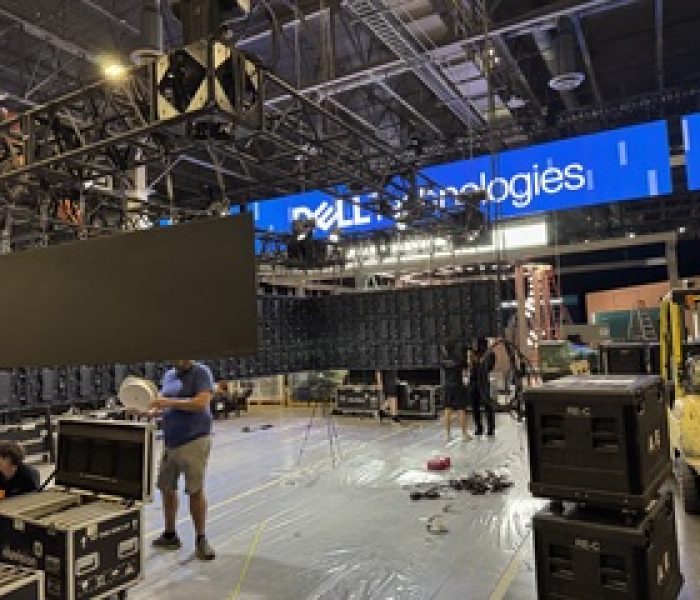
Booth approval is the process of receiving authorization from show management, the venue, or a general contractor before constructing a trade show exhibit. Approval ensures the booth design meets event guidelines, safety requirements, and space restrictions. Show and venue requirements should be reviewed early because approval, documentation, and exclusive-service rules can affect design, cost, and installation.
Related terms: Design Approval, Engineering Approval, Show Approval, Fire Marshal Approval
Engineering approval is the review and acceptance of exhibit drawings by a qualified engineer when required by show regulations. Large structures, double-deck exhibits, hanging signs, and complex builds may require engineering documentation. Show and venue requirements should be reviewed early because approval, documentation, and exclusive-service rules can affect design, cost, and installation.
Related terms: Structural Integrity, Fire Marshal Approval, Multi-Level Exhibit, Double Deck Exhibit
Exhibit management is the coordination of all activities required for successful trade show participation. Exhibit management may include booth design, budgeting, shipping, vendor coordination, labor scheduling, installation, dismantle, and event support. Its role, size, finish, and placement should support the booth’s objectives, visitor flow, brand presentation, and show regulations.
Related terms: Trade Show Project Management, Show Management, General Contractor (GC), Exhibitor Appointed Contractor (EAC)
An exhibitor is a company or organization that rents booth space at a trade show, convention, or exhibition to promote its products or services. Exhibitors are responsible for planning their booth design, ordering show services, preparing marketing materials, and creating an engaging experience for attendees.
Related terms: Attendee, Show Management, Exhibit Hall, Exhibit Space
An Exhibitor Services Manual (ESM) is a guide provided to exhibitors containing important information about event rules, deadlines, regulations, and available services. The ESM helps exhibitors prepare their booth, order services, submit forms, and meet show requirements. Its role, size, finish, and placement should support the booth’s objectives, visitor flow, brand presentation, and show regulations.
Also known as: exhibitor kit, service manual, show services manual
Related terms: Show Rules and Regulations, Venue Regulations, Show Management, Service Desk
Fire marshal approval is required when an exhibit includes structures, materials, enclosed areas, or special features that must comply with fire safety regulations. The fire marshal reviews exhibits to ensure they meet venue safety standards. Show and venue requirements should be reviewed early because approval, documentation, and exclusive-service rules can affect design, cost, and installation.
Related terms: Engineering Approval, Structural Integrity, Multi-Level Exhibit, Double Deck Exhibit
A product launch is the introduction of a new product or service to customers, prospects, or the public. Trade shows are often used for product launches because they provide access to concentrated industry audiences. Its role, size, finish, and placement should support the booth’s objectives, visitor flow, brand presentation, and show regulations.
Related terms: Product Display, Interactive Display, Product Demonstration, Demonstration Station
A service desk is the location at a trade show where exhibitors can request assistance, submit orders, and receive information about event services. The service desk is typically managed by show contractors during installation, the event, and dismantle.
Related terms: Show Management, Venue Regulations, Show Rules and Regulations, Exhibitor Services Manual (ESM)
Show approval refers to the final acceptance of an exhibit design, structure, graphics, and technical requirements by event organizers. Many large or complex booths require approval before fabrication or installation begins. Show and venue requirements should be reviewed early because approval, documentation, and exclusive-service rules can affect design, cost, and installation.
Related terms: Engineering Approval, Fire Marshal Approval, Design Approval, Booth Approval
A show contractor is a company responsible for providing official event services on behalf of show management. Show contractors coordinate many operational aspects of an event, including booth services and exhibitor support. Requirements, labor jurisdictions, order deadlines, and rate schedules vary by venue and show, so exhibitors should verify them in the exhibitor services manual.
Related terms: General Contractor (GC), Exhibitor Appointed Contractor (EAC), Union Labor, Supervision
Show management refers to the organization responsible for planning and operating a trade show or convention. Show management establishes event rules, exhibitor requirements, deadlines, booth assignments, and service guidelines. Its role, size, finish, and placement should support the booth’s objectives, visitor flow, brand presentation, and show regulations.
Related terms: Trade Show Project Management, General Contractor (GC), Exhibit Management, Exhibitor Appointed Contractor (EAC)
Show rules and regulations are requirements provided by event organizers that exhibitors must follow when designing and installing their booths. These rules typically cover booth dimensions, deadlines, safety requirements, signage, labor, and approved materials. Show and venue requirements should be reviewed early because approval, documentation, and exclusive-service rules can affect design, cost, and installation.
Related terms: Exhibitor Services Manual (ESM), Venue Regulations, Show Management, Service Desk
A target delivery date is the scheduled date and time when exhibit materials are expected to arrive at the venue or warehouse. Trade show deliveries are often assigned target dates to manage loading dock traffic. Planning this service early helps exhibitors control deadlines, avoid handling delays, and understand which charges are billed by the carrier, venue, or general contractor.
Related terms: Show Site Delivery, Direct-to-Show Shipping, Advance Warehouse, Advance Shipping Deadline
A trade show is an organized event where companies within a specific industry gather to showcase products, services, and solutions to potential customers, partners, and industry professionals. Trade shows provide businesses with opportunities for networking, lead generation, product demonstrations, brand awareness, and face-to-face customer engagement.
Related terms: Trade Show Marketing, Experiential Marketing, Exhibitor, Attendee
Trade show project management involves planning and coordinating every stage of an exhibit project. A trade show project manager helps manage timelines, budgets, vendors, design approvals, production schedules, and onsite execution. Its role, size, finish, and placement should support the booth’s objectives, visitor flow, brand presentation, and show regulations.
Related terms: Exhibit Management, Show Management, General Contractor (GC), Exhibitor Appointed Contractor (EAC)
Understand how exhibit materials are packed, shipped, received, handled, stored, delivered to the booth, and returned after the event.
Want to talk now? — call +1.702.312.1455
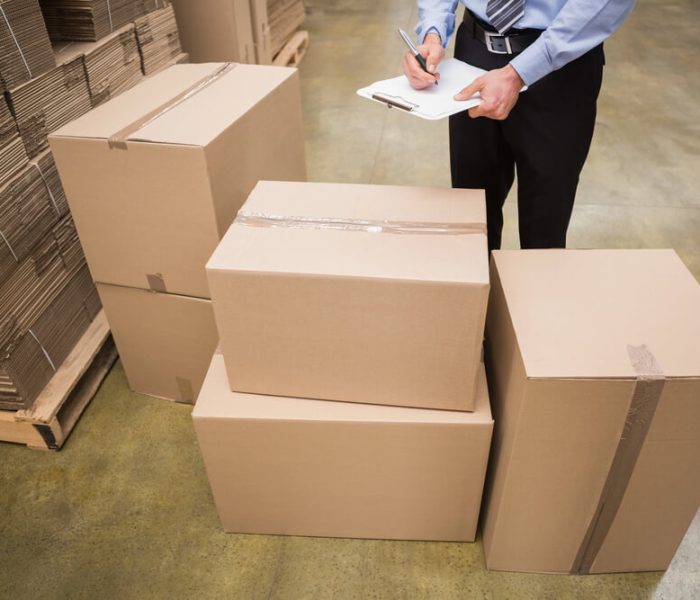
An advance shipping deadline is the final date when freight must arrive at an advance warehouse without incurring additional charges. Meeting advance deadlines helps exhibitors avoid late fees and ensures materials are available during booth setup. Planning this service early helps exhibitors control deadlines, avoid handling delays, and understand which charges are billed by the carrier, venue, or general contractor.
Related terms: Advance Warehouse, Direct-to-Show Shipping, Show Site Delivery, Target Delivery Date
An advance warehouse is an off-site storage location where trade show freight is received before an event begins. Exhibitors ship booth materials to the advance warehouse before the published deadline, and the general contractor transports the materials to the exhibit hall during move-in. Using an advance warehouse can help reduce the risk of delayed deliveries and simplify trade show logistics.
Related terms: Advance Shipping Deadline, Direct-to-Show Shipping, Show Site Delivery, Target Delivery Date
A Bill of Lading (BOL) is a shipping document that outlines the details of a freight shipment, including the carrier, destination, shipment contents, and transportation terms. A properly completed Bill of Lading is important for tracking trade show shipments and ensuring materials are delivered correctly.
Related terms: Shipping Label, Freight Carrier, Common Carrier, Specialized Carrier
A common carrier is a transportation company that moves freight for multiple customers rather than handling shipments exclusively for one exhibitor. Common carriers are frequently used for trade show freight transportation and may include trucking companies, freight companies, and logistics providers.
Related terms: Freight Carrier, Specialized Carrier, Shipping Label, Bill of Lading (BOL)
Direct-to-show shipping is when trade show materials are shipped directly to the convention center or exhibit hall during the scheduled move-in period. While direct shipping can be convenient, it often requires precise timing because deliveries must arrive within a specific window. Missing the deadline may result in additional fees or delays.
Related terms: Advance Warehouse, Show Site Delivery, Advance Shipping Deadline, Target Delivery Date
Drayage is the trade show industry term for transporting exhibit materials between the convention center loading dock and an exhibitor’s booth space. Drayage services are usually provided by the show’s general contractor and are commonly charged based on shipment weight, handling requirements, and show regulations. Understanding drayage costs is an important part of planning a trade show budget.
Also known as: material handling
Related terms: Material Handling, Advance Warehouse, Show Site Delivery, Marshaling Yard
Empty storage is the temporary storage of empty shipping containers, crates, and cases during a trade show. After booth installation, empty containers are removed from the exhibit floor and returned after the event closes for dismantling and packing.
Related terms: Special Handling, Forced Freight, Drayage, Material Handling
Forced freight occurs when trade show materials are not removed from the exhibit hall before the official move-out deadline. When this happens, show management may assign the shipment to a designated carrier, often resulting in higher transportation costs.
Related terms: Freight Carrier, Uncrated Freight, Freight, Special Handling
Freight refers to the booth materials, products, displays, graphics, furniture, and equipment shipped to a trade show or event. Trade show freight can include exhibit structures, shipping crates, cases, marketing materials, products, and other items needed to operate a booth.
Related terms: Freight Carrier, Forced Freight, Uncrated Freight, Special Handling
A freight carrier is a transportation company responsible for moving trade show materials between locations. Freight carriers may transport exhibit properties through ground shipping, air freight, van lines, or specialized trade show transportation services. Planning this service early helps exhibitors control deadlines, avoid handling delays, and understand which charges are billed by the carrier, venue, or general contractor.
Related terms: Shipping Label, Common Carrier, Bill of Lading (BOL), Specialized Carrier
A marshaling yard is a designated staging area where trucks wait before delivering freight to a convention center. Marshaling yards help organize traffic flow and manage deliveries during busy trade show move-in periods. Its role, size, finish, and placement should support the booth’s objectives, visitor flow, brand presentation, and show regulations.
Related terms: Show Site Delivery, Material Handling, Drayage, Advance Warehouse
Material handling, also known as drayage, is the service of moving trade show freight between the loading dock, storage area, and exhibitor booth space. Material handling typically includes unloading freight, delivering materials to the booth, removing empty shipping containers, storing crates during the event, and returning materials after the show.
Related terms: Show Site Delivery, Drayage, Marshaling Yard, Advance Warehouse
Return shipping is the transportation of exhibit materials back to a company, warehouse, or storage facility after an event. Return shipping planning helps ensure booth assets are safely recovered for future use. Planning this service early helps exhibitors control deadlines, avoid handling delays, and understand which charges are billed by the carrier, venue, or general contractor.
Related terms: Trade Show Shipping, Warehousing, Shipping Label, Shipping Crate
A shipping crate is a large protective container used for transporting exhibit structures, booth components, and materials. Crates are commonly used for larger custom exhibits requiring additional protection during shipping.
Related terms: Shipping Label, Trade Show Shipping, Return Shipping, Warehousing
A shipping label identifies a shipment and provides important delivery information. Trade show shipping labels typically include exhibitor information, booth number, event name, delivery location, and handling instructions. Planning this service early helps exhibitors control deadlines, avoid handling delays, and understand which charges are billed by the carrier, venue, or general contractor.
Related terms: Bill of Lading (BOL), Freight Carrier, Common Carrier, Specialized Carrier
Show site delivery refers to transporting exhibit materials directly to the event venue. Show site deliveries are coordinated with the general contractor and venue based on scheduled move-in times. Planning this service early helps exhibitors control deadlines, avoid handling delays, and understand which charges are billed by the carrier, venue, or general contractor.
Related terms: Direct-to-Show Shipping, Target Delivery Date, Advance Warehouse, Advance Shipping Deadline
Special handling refers to additional labor or procedures required for freight that cannot be handled through standard methods. Special handling may apply to oversized items, loose materials, machinery, uncrated freight, or shipments requiring extra care. Its role, size, finish, and placement should support the booth’s objectives, visitor flow, brand presentation, and show regulations.
Related terms: Uncrated Freight, Forced Freight, Freight Carrier, Freight
A specialized carrier is a transportation provider experienced in handling specific types of freight. Trade show exhibitors may use specialized carriers for oversized displays, sensitive equipment, high-value items, or time-sensitive deliveries. Its role, size, finish, and placement should support the booth’s objectives, visitor flow, brand presentation, and show regulations.
Related terms: Common Carrier, Freight Carrier, Shipping Label, Bill of Lading (BOL)
Trade show logistics involves planning and managing the transportation, handling, storage, and movement of exhibit materials before, during, and after an event. Successful trade show logistics includes freight coordination, shipping schedules, warehouse management, installation planning, and outbound transportation.
Related terms: Trade Show Shipping, Target Delivery Date, Move-In, Move-Out
Trade show shipping is the process of transporting exhibit materials, booth structures, graphics, furniture, and equipment to and from a trade show or event. Trade show shipping requires careful planning to meet delivery deadlines, avoid additional fees, and ensure booth materials arrive safely before installation begins.
Related terms: Shipping Label, Return Shipping, Shipping Crate, Warehousing
Uncrated freight refers to exhibit materials shipped without protective packaging or a shipping crate. Uncrated items may require special handling because they are more difficult to move safely. Planning this service early helps exhibitors control deadlines, avoid handling delays, and understand which charges are billed by the carrier, venue, or general contractor.
Related terms: Forced Freight, Special Handling, Freight Carrier, Freight
Warehousing refers to the storage of trade show exhibits, booth components, graphics, furniture, and materials when they are not being used. Exhibit storage solutions help companies reuse booth properties across multiple events while reducing transportation and replacement costs.
Related terms: Return Shipping, Trade Show Shipping, Shipping Label, Shipping Crate
Review terminology related to exhibit setup and teardown, electrical orders, labor rates, contractor roles, supervision, overhead installation, and union requirements.
Want to talk now? — call +1.702.312.1455
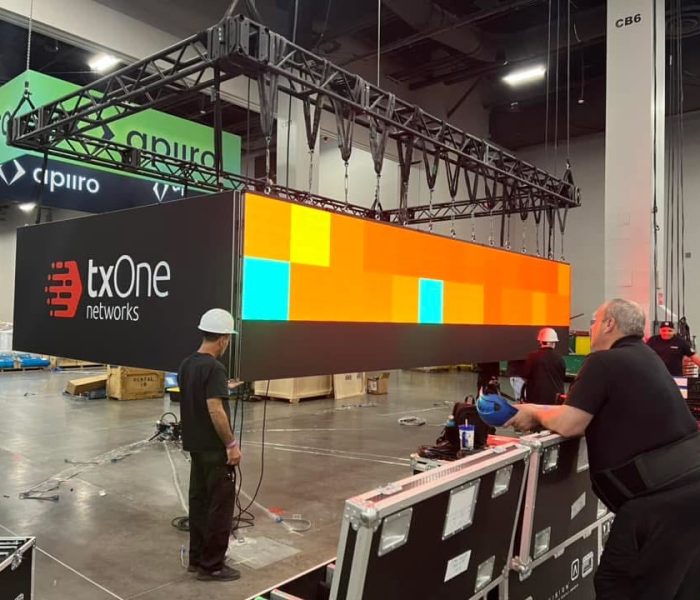
An electrical drop is a power connection supplied from the venue ceiling or floor to provide electricity to a trade show booth. Electrical drops are commonly required for island booths, hanging signs, LED displays, large exhibits, and booths with multiple electrical needs.
Related terms: Power Drop, Electrical Order, Electrical Layout, Dedicated Circuit
An electrical layout is a diagram showing where electrical outlets, power drops, lighting, and equipment connections should be placed within a trade show booth. Exhibitors submit electrical layouts to ensure power is installed in the correct locations before booth setup.
Related terms: Setup Drawings, Elevation Drawing, Scale Drawing, Line Drawing
An electrical order is a request submitted by an exhibitor to receive electrical services for their trade show booth. Electrical services may include power outlets, dedicated circuits, lighting connections, and electrical drops required for booth equipment, monitors, LED displays, and other technology.
Related terms: Electrical Drop, Electrical Layout, Power Drop, Dedicated Circuit
An Exhibitor Appointed Contractor (EAC) is an independent company hired by an exhibitor to perform services at a trade show instead of using the official show contractor. EACs commonly provide booth installation, dismantle labor, exhibit management, and specialized services while following show regulations.
Related terms: General Contractor (GC), Show Management, Trade Show Project Management, Exhibit Management
A general contractor (GC) is the company appointed by show management to provide official trade show services. The general contractor typically manages services such as drayage, labor, electrical, furniture rental, and exhibitor orders. Requirements, labor jurisdictions, order deadlines, and rate schedules vary by venue and show, so exhibitors should verify them in the exhibitor services manual.
Also known as: general service contractor, GSC, show contractor
Related terms: Show Management, Exhibitor Appointed Contractor (EAC), Trade Show Project Management, Exhibit Management
A hanging point is a designated location in a convention center ceiling where an overhead structure can be suspended. Hanging points are used for hanging signs, lighting, banners, LED displays, and other overhead exhibit elements. Its role, size, finish, and placement should support the booth’s objectives, visitor flow, brand presentation, and show regulations.
Related terms: Hanging Structure, Rigging, LED Hanging Sign, Height Restriction
Installation and dismantle (I&D) refers to the labor services required to assemble and remove a trade show exhibit. Installation includes building the booth, installing graphics, setting up furniture, connecting accessories, and preparing the exhibit before the show opens. Dismantle includes taking apart the booth, packing materials, and preparing the exhibit for return shipping or storage.
Related terms: Move-In, Move-Out, Tear Down, Supervision
Move-in is the scheduled period when exhibitors, contractors, and service providers begin delivering and installing trade show booths. Move-in dates and deadlines are determined by show management and are critical for successful exhibit preparation. Its role, size, finish, and placement should support the booth’s objectives, visitor flow, brand presentation, and show regulations.
Related terms: Target Delivery Date, Move-Out, Trade Show Shipping, Trade Show Logistics
Move-out is the scheduled period when exhibitors dismantle booths and remove materials from the exhibit hall after the event ends. Proper move-out planning helps prevent delays, additional labor charges, and shipping issues. Its role, size, finish, and placement should support the booth’s objectives, visitor flow, brand presentation, and show regulations.
Related terms: Move-In, Target Delivery Date, Trade Show Shipping, Trade Show Logistics
Overtime refers to labor hours worked beyond the standard scheduled hours. Trade show overtime rates are commonly higher than regular labor rates and vary by event rules. Its role, size, finish, and placement should support the booth’s objectives, visitor flow, brand presentation, and show regulations.
Related terms: Straight Time, Union Labor, Installation & Dismantle (I&D), Supervision
Rigging refers to the process of suspending structures, signs, lighting, displays, or equipment from a convention center ceiling. Trade show rigging is commonly used for hanging signs, LED displays, lighting elements, banners, and overhead exhibit structures. Show and venue requirements should be reviewed early because approval, documentation, and exclusive-service rules can affect design, cost, and installation.
Related terms: Hanging Point, Height Restriction, Hanging Structure, LED Hanging Sign
Straight time refers to standard labor hours charged at the regular hourly rate for trade show installation and dismantle services. Work performed outside standard hours may be billed at overtime or premium rates. Its role, size, finish, and placement should support the booth’s objectives, visitor flow, brand presentation, and show regulations.
Related terms: Overtime (OT), Union Labor, Installation & Dismantle (I&D), Supervision
Supervision refers to the management and oversight of trade show installation and dismantle crews. A supervisor ensures booth installation follows approved designs, safety requirements, and show regulations. Requirements, labor jurisdictions, order deadlines, and rate schedules vary by venue and show, so exhibitors should verify them in the exhibitor services manual.
Related terms: Union Labor, Exhibitor Appointed Contractor (EAC), General Contractor (GC), Show Contractor
Tear down is another term for the dismantling of a trade show booth after an event. During tear down, exhibit structures, graphics, furniture, and accessories are removed and packed. Its role, size, finish, and placement should support the booth’s objectives, visitor flow, brand presentation, and show regulations.
Also known as: dismantle, breakdown
Related terms: Move-Out, Supervision, Move-In, Union Labor
Trade show rigging is the installation of overhead exhibit elements using approved hardware, cables, motors, and suspension points. Rigging must typically be completed by the venue or show-appointed rigging contractor due to safety regulations. Show and venue requirements should be reviewed early because approval, documentation, and exclusive-service rules can affect design, cost, and installation.
Related terms: Rigging, Truss Rigging, Hanging Point, Hanging Sign
Truss rigging uses suspended aluminum truss structures to support lighting, signs, displays, or other overhead components. Truss rigging is commonly used for large island exhibits, stages, presentations, and experiential marketing environments. Show and venue requirements should be reviewed early because approval, documentation, and exclusive-service rules can affect design, cost, and installation.
Related terms: Trade Show Rigging, Hanging Point, Rigging, Hanging Sign
Union labor refers to exhibit installation and dismantle workers who belong to a labor union. Many convention centers require exhibitors to use union labor for certain installation, electrical, rigging, and material handling services. Requirements, labor jurisdictions, order deadlines, and rate schedules vary by venue and show, so exhibitors should verify them in the exhibitor services manual.
Related terms: Exhibitor Appointed Contractor (EAC), Supervision, General Contractor (GC), Show Contractor
These terms explain accessibility, venue rules, safety documentation, exhibit-hall conditions, power access, and restrictions that may affect booth design or operation.
Want to talk now? — call +1.702.312.1455
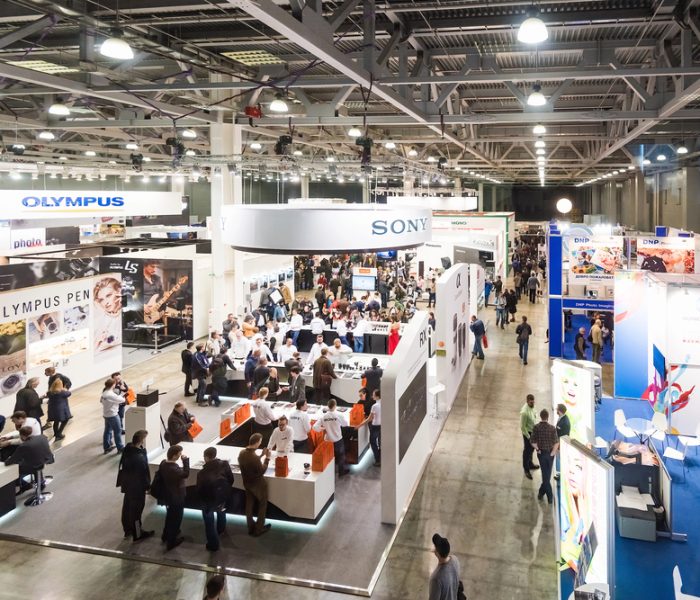
Accessibility refers to creating booth environments that allow all attendees, including those with disabilities, to safely and comfortably interact with an exhibit. Accessible booth design improves attendee experience and helps companies comply with regulations. Show and venue requirements should be reviewed early because approval, documentation, and exclusive-service rules can affect design, cost, and installation.
Related terms: ADA Compliance, Venue Regulations, Traffic Flow, Floor Plan
ADA compliance refers to designing exhibits that meet accessibility requirements established by the Americans with Disabilities Act. Accessible trade show booths consider features such as entrance widths, meeting spaces, counters, and attendee navigation. Its role, size, finish, and placement should support the booth’s objectives, visitor flow, brand presentation, and show regulations.
Related terms: Accessibility, Venue Regulations, Traffic Flow, Floor Plan
A dedicated circuit is an electrical line reserved for equipment requiring consistent or higher power capacity. Dedicated circuits may be needed for LED walls, large displays, computers, audio-visual equipment, and specialized machinery. Its role, size, finish, and placement should support the booth’s objectives, visitor flow, brand presentation, and show regulations.
Related terms: Electrical Layout, Floor Outlet, Electrical Order, Electrical Drop
An exhibit hall is the designated area inside a convention center or event venue where trade show booths and displays are located. The layout of an exhibit hall determines booth locations, aisle traffic, attendee flow, and opportunities for exhibitors to increase visibility.
Related terms: Show Management, Exhibit Space, Attendee, Exhibitor
A fire retardant certification is documentation confirming that exhibit materials meet required fire safety standards. Venues and trade shows may require proof that fabrics, graphics, and construction materials are properly treated. Show and venue requirements should be reviewed early because approval, documentation, and exclusive-service rules can affect design, cost, and installation.
Related terms: Fire Marshal Approval, Venue Regulations, Structural Integrity
A floor outlet is an electrical connection located within the convention center floor that provides power access for exhibitors. Floor outlets are commonly used for booth lighting, displays, demonstrations, and technology equipment. Its role, size, finish, and placement should support the booth’s objectives, visitor flow, brand presentation, and show regulations.
Related terms: Raised Flooring, Floor Graphics, Flooring, Carpet
A height restriction is a rule established by show management that limits how tall an exhibit structure can be within a booth space. Height restrictions vary depending on booth type, venue regulations, and event guidelines. Its role, size, finish, and placement should support the booth’s objectives, visitor flow, brand presentation, and show regulations.
Related terms: Rigging, Hanging Point, Hanging Structure, LED Hanging Sign
The show floor is the main exhibition area where trade show booths, displays, and attendee interactions take place. Exhibitors use strategic booth placement, engaging designs, lighting, graphics, and technology to stand out on a busy show floor. Its role, size, finish, and placement should support the booth’s objectives, visitor flow, brand presentation, and show regulations.
Related terms: Traffic Flow, Space Planning, Floor Plan, Booth Number
Venue regulations are the rules and requirements established by a convention center or event location. Regulations may include restrictions on booth height, materials, electrical installation, rigging, safety, and accessibility. Show and venue requirements should be reviewed early because approval, documentation, and exclusive-service rules can affect design, cost, and installation.
Related terms: Show Rules and Regulations, Show Management, Exhibitor Services Manual (ESM), Service Desk
Learn the language of attendee engagement, booth staffing, lead generation, brand activation, sponsorships, experiential marketing, and event performance.
Want to talk now? — call +1.702.312.1455
An attendee is a person who visits a trade show, convention, or event to learn about products, services, and industry solutions. Attendees may include buyers, decision-makers, industry professionals, media representatives, and potential customers. It is most effective when tied to a clear audience, measurable show objectives, and a defined post-show follow-up process.
Related terms: Exhibitor, Show Management, Exhibit Hall, Exhibit Space
Attendee engagement is the process of attracting and interacting with visitors during a trade show. Engagement strategies may include demonstrations, games, presentations, technology, and personalized conversations. It is most effective when tied to a clear audience, measurable show objectives, and a defined post-show follow-up process.
Related terms: Attendee, Target Audience, Booth Traffic, Lead Capture
A booth activation is an interactive element designed to attract attendees and encourage engagement within a trade show booth. Examples include demonstrations, contests, games, virtual experiences, product launches, and technology-driven displays. It is most effective when tied to a clear audience, measurable show objectives, and a defined post-show follow-up process.
Related terms: Brand Activation, Sponsorship Activation, Interactive Experience, Trade Show Marketing
Booth staff are the employees, representatives, or hired professionals responsible for managing a company’s trade show booth. Effective booth staff members engage attendees, answer questions, demonstrate products, collect leads, and represent the company’s brand. Its role, size, finish, and placement should support the booth’s objectives, visitor flow, brand presentation, and show regulations.
Also known as: booth personnel, exhibit staff
Related terms: Booth Traffic, Attendee Engagement, Lead Capture, Booth Number
Booth traffic refers to the number of attendees visiting an exhibitor’s booth during a trade show. Companies improve booth traffic through strong branding, engaging displays, promotional activities, demonstrations, and strategic booth placement. It is most effective when tied to a clear audience, measurable show objectives, and a defined post-show follow-up process.
Related terms: Target Audience, Attendee Engagement, Attendee, Booth Staff
A brand activation is a marketing experience designed to create direct interaction between a company and its audience. Trade show brand activations may include immersive displays, demonstrations, interactive technology, contests, and memorable experiences. It is most effective when tied to a clear audience, measurable show objectives, and a defined post-show follow-up process.
Related terms: Booth Activation, Sponsorship Activation, Interactive Experience, Brand Experience
Brand awareness measures how familiar customers and prospects are with a company, product, or service. Trade shows help increase brand awareness by placing companies directly in front of targeted audiences. It is most effective when tied to a clear audience, measurable show objectives, and a defined post-show follow-up process.
Related terms: Brand Experience, Brand Activation, Branded Environment, Brand Guidelines
A brand experience is the overall impression and interaction attendees have with a company at a trade show. A successful brand experience combines booth design, graphics, technology, staff engagement, and messaging to create a memorable connection with visitors.
Related terms: Brand Awareness, Brand Activation, Branded Environment, Brand Guidelines
A call to action (CTA) is a message encouraging attendees to take a specific next step. Examples include scheduling a meeting, requesting information, scanning a QR code, or signing up for a demonstration. Its role, size, finish, and placement should support the booth’s objectives, visitor flow, brand presentation, and show regulations.
Related terms: Lead Capture, Lead Generation, Booth Traffic, Digital Content
Experiential marketing creates interactive and memorable experiences that allow customers to engage directly with a brand. Trade show experiential marketing may include product demonstrations, interactive displays, immersive environments, games, technology, and live presentations. It is most effective when tied to a clear audience, measurable show objectives, and a defined post-show follow-up process.
Related terms: Trade Show Marketing, Exhibitor, Trade Show, Attendee
Lead capture is the process of collecting attendee information during a trade show. Lead capture methods include badge scanning, digital forms, business cards, QR codes, and interactive technology. It is most effective when tied to a clear audience, measurable show objectives, and a defined post-show follow-up process.
Related terms: Attendee Engagement, Booth Number, Booth Traffic, Booth Staff
Lead generation is the process of identifying and collecting information from potential customers during a trade show. Exhibitors use booth interactions, demonstrations, conversations, contests, and digital tools to capture leads and create future sales opportunities. It is most effective when tied to a clear audience, measurable show objectives, and a defined post-show follow-up process.
Related terms: Lead Capture, Booth Traffic, Call to Action (CTA), Digital Content
Lead retrieval is the process of collecting attendee information at a trade show through scanning systems, mobile applications, badge scanners, or digital forms. Lead retrieval solutions help exhibitors organize attendee data and follow up with potential customers after an event.
Related terms: Touchscreen Kiosk, Interactive Display, Trade Show WiFi, Internet Services
Networking is the process of building professional relationships with customers, partners, suppliers, and industry professionals. Trade shows provide valuable networking opportunities through booth conversations, meetings, and events. Its role, size, finish, and placement should support the booth’s objectives, visitor flow, brand presentation, and show regulations.
Related terms: Lounge Area, Meeting Area, Attendee Engagement, Lead Capture
A product demonstration is a live presentation showing how a product, service, or solution works. Trade show booths often include demonstration areas designed to educate attendees, highlight benefits, and encourage conversations with sales teams. Its role, size, finish, and placement should support the booth’s objectives, visitor flow, brand presentation, and show regulations.
Related terms: Demonstration Station, Product Display, Product Launch, Interactive Display
A qualified lead is a potential customer who matches a company’s target audience and has a genuine interest or need for its products or services. Qualified leads are typically more valuable than general booth visitors. It is most effective when tied to a clear audience, measurable show objectives, and a defined post-show follow-up process.
Related terms: Lead Generation, Sales Funnel, Lead Retrieval, Lead Capture
Return on investment (ROI) measures the financial value generated from trade show participation compared to the costs involved. Companies evaluate ROI by tracking leads, sales opportunities, revenue, and brand impact. Its role, size, finish, and placement should support the booth’s objectives, visitor flow, brand presentation, and show regulations.
Related terms: Lead Capture, Lead Generation, Sales Funnel, Qualified Lead
Return on objectives (ROO) measures success based on achieving specific goals beyond direct revenue. Examples include increasing awareness, building relationships, educating customers, or launching a product. Its role, size, finish, and placement should support the booth’s objectives, visitor flow, brand presentation, and show regulations.
Related terms: Return on Investment (ROI), Lead Generation, Qualified Lead, Trade Show Marketing
A sales funnel represents the process prospects move through from initial awareness to becoming customers. Trade show marketing supports the early and middle stages of the sales funnel by generating awareness and qualified leads. Its role, size, finish, and placement should support the booth’s objectives, visitor flow, brand presentation, and show regulations.
Related terms: Qualified Lead, Lead Generation, Lead Retrieval, Lead Capture
Sponsorship activation uses an event sponsorship opportunity to create brand visibility and attendee interaction. Examples include branded lounges, charging stations, digital displays, demonstrations, and sponsored experiences. It is most effective when tied to a clear audience, measurable show objectives, and a defined post-show follow-up process.
Related terms: Brand Activation, Interactive Experience, Booth Activation, Sponsorship Opportunities
Sponsorship opportunities allow exhibitors to increase visibility at a trade show by investing in additional branding placements. Examples include hanging signs, digital displays, event signage, sponsored lounges, and branded attendee experiences. Its role, size, finish, and placement should support the booth’s objectives, visitor flow, brand presentation, and show regulations.
Related terms: Sponsorship Activation, Brand Awareness, Target Audience, Trade Show Marketing
A target audience is the specific group of customers, industries, or decision-makers a company wants to reach. Understanding the target audience helps exhibitors create effective booth designs and marketing strategies. Its role, size, finish, and placement should support the booth’s objectives, visitor flow, brand presentation, and show regulations.
Related terms: Attendee Engagement, Booth Traffic, Attendee, Brand Awareness
Trade show marketing is the strategy of using exhibitions, conferences, and industry events to promote a company, generate leads, build relationships, and increase brand awareness. Trade show marketing includes booth design, attendee engagement, product demonstrations, networking, sponsorships, and post-event follow-up.
Related terms: Trade Show, Experiential Marketing, Exhibitor, Attendee
10×10 Booth • 10×20 Booth • 20×20 Booth • 20×30 Booth • 3m x 3m Stand
Accessibility • ADA Compliance • Advance Shipping Deadline • Advance Warehouse • Aluminum Extrusion • Artwork Requirements • Aspect Ratio • Attendee • Attendee Engagement • Audio Visual (A/V)
Backlit Display • Backwall • Banner Stand • Bill of Lading (BOL) • Bleed • Booth • Booth Activation • Booth Approval • Booth Design • Booth Number • Booth Staff • Booth Storage • Booth Traffic • Brand Activation • Brand Awareness • Brand Experience • Brand Guidelines • Branded Environment • Brightness
CAD Drawing • Call to Action (CTA) • Carpet • CMYK Printing • Common Carrier • Content Management System (CMS) • Corner Booth • Custom Exhibit • Custom Exhibit Rental
Dedicated Circuit • Demonstration Station • Design Approval • Digital Content • Digital Signage • Direct Print Graphics • Direct-to-Show Shipping • Double Deck Exhibit • DPI (Dots Per Inch) • Drayage • Dye-Sublimated Graphics
Electrical Drop • Electrical Layout • Electrical Order • Elevation Drawing • Empty Storage • Engineering Approval • EPS File • Exhibit Design • Exhibit Fabrication • Exhibit Hall • Exhibit Management • Exhibit Rental • Exhibit Space • Exhibit Structure • Exhibitor • Exhibitor Appointed Contractor (EAC) • Exhibitor Services Manual (ESM) • Experiential Marketing
Fabric Graphics • Fire Marshal Approval • Fire Retardant Certification • Floor Graphics • Floor Outlet • Floor Plan • Flooring • Forced Freight • Freight • Freight Carrier • Full-Service Exhibit Rental
General Contractor (GC) • Graphic Production
Hanging Point • Hanging Sign • Hanging Structure • Height Restriction • Hybrid Exhibit
Immersive Exhibit • Inline Booth • Installation & Dismantle (I&D) • Interactive Display • Interactive Experience • Internet Services • Island Booth
Large Format Graphics • Large Format Printing • Lead Capture • Lead Generation • Lead Retrieval • LED Display • LED Hanging Sign • LED Lightbox • LED Lighting • LED Video Wall • Lightbox • Line Drawing • Lounge Area
Marshaling Yard • Material Handling • Meeting Area • Modular Exhibit • Monitor Mount • Move-In • Move-Out • Multi-Level Exhibit
Networking
Overtime (OT)
PDF Artwork File • Peninsula Booth • Perimeter Booth • Pixel Pitch • PMS Colors • Pop-Up Display • Portable Exhibit • Power Drop • Private Meeting Room • Product Demonstration • Product Display • Product Launch • Projection Mapping
Qualified Lead
Raised Flooring • Raster Image • Reception Counter • Refresh Rate • Resolution • Retractable Banner Stand • Return on Investment (ROI) • Return on Objectives (ROO) • Return Shipping • RFID Technology • RGB Colors • Rigging
Safe Zone • Sales Funnel • Scale Drawing • SEG Graphics (Silicone Edge Graphics) • Service Desk • Setup Drawings • Shipping Crate • Shipping Label • Show Approval • Show Contractor • Show Floor • Show Management • Show Rules and Regulations • Show Site Delivery • Sound System • Space Planning • Special Handling • Specialized Carrier • Sponsorship Activation • Sponsorship Opportunities • Straight Time • Structural Integrity • Supervision • Sustainable Exhibit
Table Throw • Tabletop Display • Target Audience • Target Delivery Date • Tear Down • Tension Fabric Display • Touchscreen Kiosk • Trade Show • Trade Show Booth • Trade Show Booth Rental • Trade Show Logistics • Trade Show Marketing • Trade Show Project Management • Trade Show Rigging • Trade Show Shipping • Trade Show WiFi • Traffic Flow • Truss Display • Truss Rigging • Turnkey Exhibit
Uncrated Freight • Union Labor
Vector Artwork • Venue Regulations • Video Content • Viewing Distance • Vinyl Graphics • Virtual Reality (VR)
Warehousing • Workstation
Understanding trade show terminology is just the first step—executing a successful exhibit strategy requires the right partner behind the scenes. From initial concept to final installation, every detail matters.
LV Exhibit Rentals specializes in custom modular booth rentals designed to scale with your needs, whether you’re exhibiting in a 10×10 space or a large island exhibit. With fully turnkey services—including design, logistics, installation, and dismantling—you can streamline the entire process and eliminate the stress of managing multiple vendors.
If you’re ready to elevate your trade show presence, our team is here to help you design a booth that stands out and performs.
For international companies planning their first U.S. trade show—or those seeking a smoother, more strategic partner approach—LV Exhibit Rentals delivers reliability, creativity, and operational support. From booth design through installation and showtime, we help turn international market entry into a memorable brand experience.