Attendees walk past hundreds of booths at every trade show, but they’re more likely to remember the ones that gave them something to do. Here’s how to build an exhibit people step into rather than stroll past.
Key Takeaways
- Experiential booth design is the practice of building a trade show exhibit around activities, sensory elements, and interactions that let visitors participate in a brand experience rather than just look at displays.
- The most effective experiential booths use a clear concept, an inviting layout, and purposeful interactions that trained staff can guide visitors through.
- Lead generation works best when it’s built into the booth experience itself, such as collecting contact information through demo registrations, prize entries, or personalized assessments.
- Booth performance should be measured by how visitors engage with the booth and whether that engagement produces qualified leads.
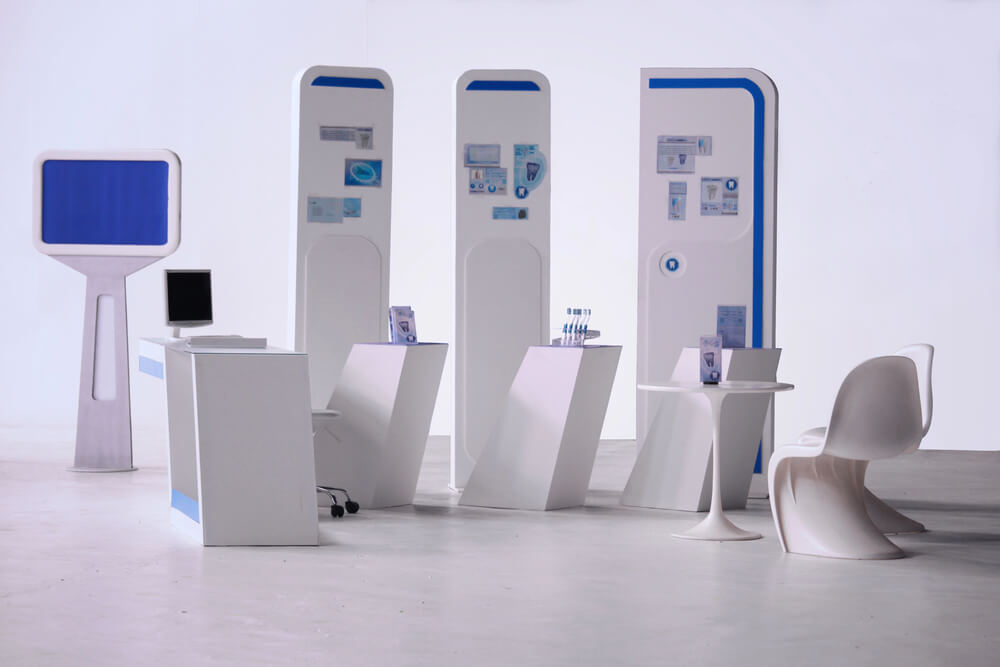
Picture two booths at the same trade show. One has a table, a banner, and a bowl of candy. The other invites you to test a product with your own hands while music plays and someone greets you by name. Which booth will you remember a week later?
That is the power of experiential booth design. It turns your exhibit from something people look at into something people take part in. In this guide, you’ll learn what experiential exhibit design is, how to do it well, and how you can prove it worked.
What Is Experiential Booth Design?
Experiential booth design is the practice of planning a trade show, conference, or convention exhibit around participation instead of presentation. Rather than displaying products and waiting for attendees to ask questions, you create activities, environments, and sensory moments that pull visitors into your brand story.
The approach borrows from experiential marketing, which focuses on letting people experience what a brand does instead of just hearing about it. When those marketing principles are applied to an exhibit booth, every element, from the entrance to the giveaway, gives attendees something to do, feel, or try.
What Are the Best Practices for Experiential Booth Design?
Experiential marketing at trade shows works best when every part of the booth supports a clear purpose. The following proven principles help keep visitors engaged from the moment they spot your space to the moment they leave with your contact information in hand.
Create a Clear, Immersive Theme
A strong theme gives any experiential booth a clear direction. Pick one central idea and let it drive every choice you make. Your colors, graphics, activities, and even your staff’s talking points should all support the same story.
Design an Easy-to-Navigate Layout
Experiential booths should make participation feel intuitive. Visitors should understand where to enter, where to go next, and what to do within seconds. Keep the entrance open, create a natural path through the space, and avoid blocking sightlines with tall furniture. Confusion is the fastest way to lose foot traffic.
Use Interactive Product Demonstrations
Interactive demonstrations are one of the most direct ways to make experiential marketing part of your booth. Static product displays may get glances from attendees, but working demonstrations are more likely to draw a crowd.
Let attendees push the buttons, run the software, or taste the sample themselves. People trust what they’ve tested, and they remember what they’ve touched.
Engage Multiple Senses
An experiential booth becomes more memorable when it engages more than sight alone. Sound, touch, smell, and even taste build stronger memories. A signature scent, background audio, or textured materials can set your booth apart in a hall full of visual noise. Just keep it subtle so it draws people in without overwhelming them.
Incorporate Comfortable Conversation Areas
A successful experiential exhibit should also give visitors a place to continue the experience through conversation. Serious buying conversations are harder to have while standing in an aisle. Set aside a quieter corner with seating where your team can talk with qualified prospects. When people are comfortable, they’ll be more likely to stick around, and longer conversations can lead to more sales.
Make Your Brand Visible From Every Angle
Even the most engaging experiential booth design needs clear branding. Attendees approach from all directions, so your name and message need to read clearly from each one. Hanging signs, tower graphics, and illuminated structures keep your brand identifiable across the hall, which can help drive more traffic to your booth.
Use Technology With a Clear Purpose
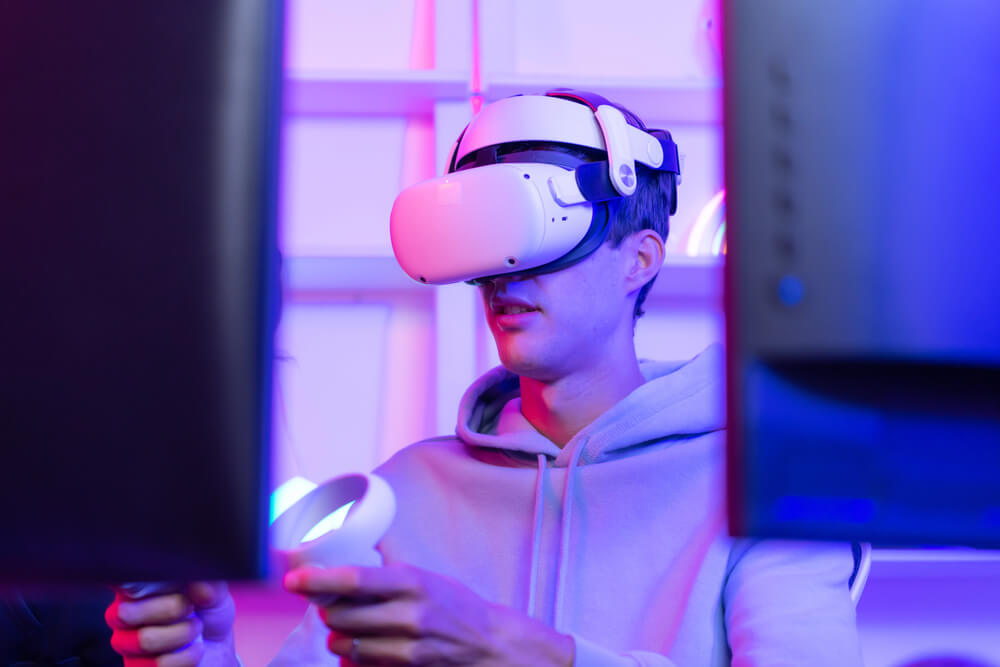
Technology should support your interactive marketing goals rather than distract from them. LED elements can make an interaction more immersive, but only when they help visitors understand or participate in the experience. Screens, VR headsets, and touch displays should answer a question or deliver an experience, not just fill space. Ask your team what each piece of technology helps a visitor learn or do. If no one can provide a clear answer, remove it from your booth.
Train Booth Staff to Guide the Experience
Your staff turns experiential exhibit design into a guided visitor experience. Train them to welcome visitors, explain each activity, and ask qualifying questions. Your staff should also know when to hand someone off to a closer. An untrained team can undermine even the best trade show or convention booth.
What Types of Experiential Booth Activities Work Best?
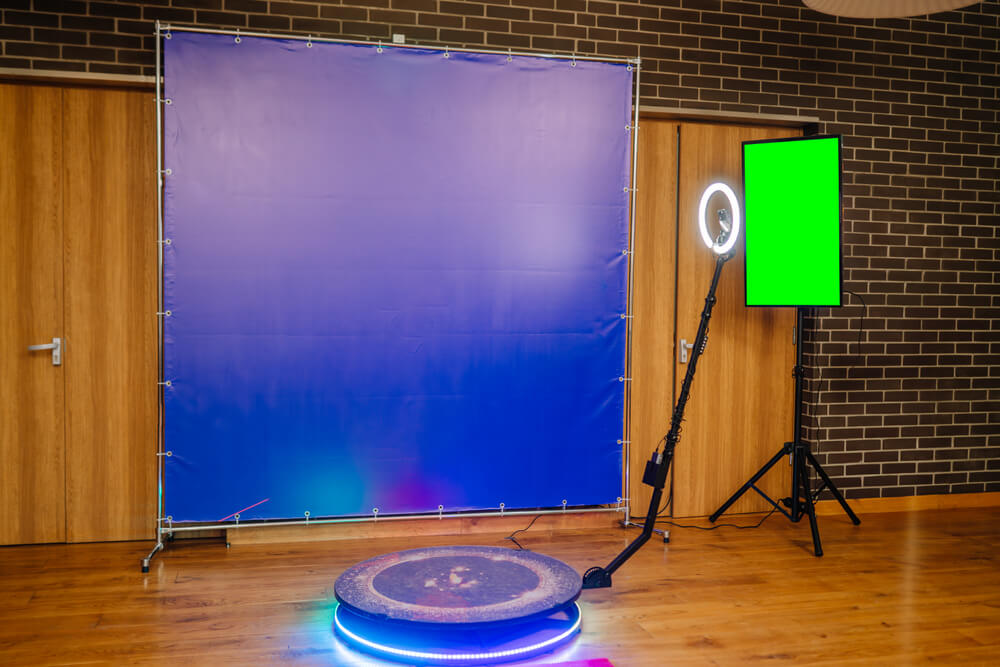
The right trade show booth activity depends on your product, your audience, and your space, but certain formats consistently draw participation on the show floor. The following options are especially effective at getting attendees involved:
- Live product demonstrations and hands-on trials that let people see and test what you sell
- Games and activities that reward participation with prizes or bragging rights
- Simulations, including VR and AR experiences, that place visitors inside a scenario where your product solves a relevant problem
- Photo opportunities with bold backdrops that encourage attendees to share images on social media
- Workshops, mini-presentations, and personalized consultations that deliver real value on the spot
- Contests and giveaways that create urgency and repeat visits throughout the show
Choose one or two activities that support your goals, and make sure each one connects naturally to your product or brand.
How Do You Design an Experiential Booth for Your Target Audience?
Effective experiential booth design starts with the attendees, not the booth. Research who’s coming to the event, what problems they’re trying to solve, and how they prefer to engage. A room full of engineers may want technical depth and hands-on testing. A room full of executives may prefer quick takeaways and a comfortable place to discuss numbers.
Use that audience profile to shape the experience you create. Your activities, messaging, signage, staff questions, and product demonstrations should all reflect what your specific audience cares about. Making those elements work together should be a central part of your trade show marketing strategy, because it helps your booth engage the right people rather than simply draw a crowd.
Also consider how comfortable your audience is with different types of interaction. Some attendees enjoy joining a game in front of a crowd, while others prefer a quiet, one-on-one walkthrough. Building both high-energy and low-pressure options into your interactive exhibit gives more visitors a natural way to participate.
How Do You Balance Experiential Exhibit Design With Lead Generation?
The best experiential booths make lead capture a natural part of the experience. When someone registers for a demo slot, enters a prize drawing, downloads your content, or requests a follow-up consultation, they’ve willingly shared their information because they received something valuable in return.
Build capture points into each activity. A product assessment can end with emailed results. A game can require a badge scan to play. A workshop can offer attendees a copy of the slides by email. Each exchange should feel fair to the visitor and give your sales team a warm, qualified contact to follow up with.
Just make sure to ask for information at the moment of highest interest, right after someone has experienced value, not the second they step into your space.
How Do You Measure Experiential Booth Performance?
You can’t improve what you don’t measure, and experiential booths give you more to measure than traditional booths. Set your targets before the show so you know what success looks like when the doors open.
Track a mix of engagement and revenue metrics, including:
- Booth visits and dwell time, which show how well your design attracts and holds attention
- Activity participation and demonstration attendance, which reveal whether your experiences actually engage people
- Qualified leads and meetings booked, which measure how well engagement converts to pipeline
- Social engagement, such as shares and tags from your photo moments
- Follow-up response rates after the show ends
- Sales opportunities created and overall return on investment
Compare these numbers against past shows as well as the goals you set. If dwell time is high but qualified leads are low, your experience entertains without qualifying. If participation is low, your activity or its visibility needs work. The data can show you where the experience needs improvement before your next event.
What Are Common Experiential Booth Design Mistakes?
Even if you have years of exhibiting experience, you can still fall into a few predictable traps when designing an experiential booth.
Avoid Overloading the Experience
If you overcrowd your booth with activities, you create chaos instead of a clear visitor journey. Adding technology without a specific purpose can also waste your budget and floor space. Activities that require lengthy explanations create the same problem by making participation feel like work.
Don’t Make Attendees Guess What You Do
Clarity matters just as much as the activities themselves. If attendees cannot tell what your company does within a few seconds, most will keep walking. Your signage, messaging, and booth layout should make your purpose immediately clear.
Design for Accessibility
Your booth should give every attendee a practical way to participate. Narrow pathways, high counters, and content available only through audio can create barriers. Keep routes open, provide accessible interaction points, caption audiovisual content, and offer alternatives when an activity depends on a particular sense or physical ability.
Connect Engagement to Your Business Goals
Some experiential exhibit design mistakes become apparent only after visitors engage with your exhibit. For example, if you collect leads without a follow-up plan, your hard-won contacts may end up sitting unused.
Entertainment that has no connection to your brand can also attract attention without building recognition. Every part of your experience, including the games and technology, should reinforce what you sell and give visitors a reason to remember your company.
Partner With LV Exhibit Rentals for Custom Experiential Booth Design
As a family-owned company based in Las Vegas for over 30 years, LV Exhibit Rentals designs and delivers fully furnished booth rentals complete with signage, counters, furniture, lighting, and LED displays. We also handle installation and dismantling so your team can focus on attendees.
LV Exhibit Rentals works directly with corporate exhibitors and small businesses, and we support agencies and event planners managing booths on behalf of their clients. From a 10×10 space to a double-deck showstopper, our team turns your experiential booth design concept into a working exhibit that draws crowds and captures leads.
Ready to build an exhibit people talk about long after the show closes? Explore our experiential marketing exhibit solutions and launch your most engaging booth yet.