Explore how experiential marketing can help trade show booths attract attention, increase engagement, and leave a stronger impression.
Key Takeaways
- Hands-on product demos are one of the most common examples of experiential marketing at trade shows.
- Product match quizzes, custom sample kits, and role-based consultations can make a trade show booth feel more relevant and useful to each visitor.
- Strong experiential marketing campaigns include a clear next step so booth engagement can lead to demos, meetings, or follow-up.
Trade shows give you a rare chance to meet buyers, partners, and prospects face to face. Putting out a booth sign and a bowl of candy might get a few people to stop, but those basics usually won’t leave a strong impression on their own.
Experiential marketing at trade shows gives people something they can do, feel, explore, or remember. Rather than talking at attendees, you invite them into a branded experience.
Why Is Experiential Marketing at Trade Shows Effective?
Showroom floors are crowded, noisy, and full of brands trying to win the same attention. A standard trade show booth setup can only do so much in that kind of space. Experiential marketing, also called “engagement marketing,” gives you a better way to connect because it turns your booth into something people can interact with.
Instead of asking attendees to listen to a sales pitch, you invite them to take part in a moment that feels useful, interesting, or unexpected.
When you use experiential marketing at a trade show, you give your brand several advantages:
- You stand out in a crowded room
- Your brand becomes easier to remember
- Passive visitors become active participants
- Complex products become easier to understand
- Your booth gives people something worth sharing on social media
- You gain more ways to measure results
That mix of attention, engagement, and memorability is what makes experiential marketing so effective at trade shows. When people can try your product, respond to an activity, or move through a branded experience, they spend more time with your company and leave with a clearer sense of what you do.
What Are Examples of Experiential Trade Show Marketing?
Experiential campaigns can take many forms, and the best type of engagement depends on your brand, your audience, and your goals for the show. The following examples show what experiential trade show marketing can look like in action.
Hands-On Product Demonstrations
A hands-on demo is one of the most common examples of experiential marketing at trade shows. Instead of telling attendees what your product does, you let them try it.
A skincare booth could invite attendees to explore the product’s texture and scent for themselves. Software teams can walk visitors through a quick use case on a tablet. A live demo can show how a tool performs under real working conditions.
Hands-on demos work because they remove guesswork. People feel more confident when they can see the performance for themselves.
Interactive Games and Challenges
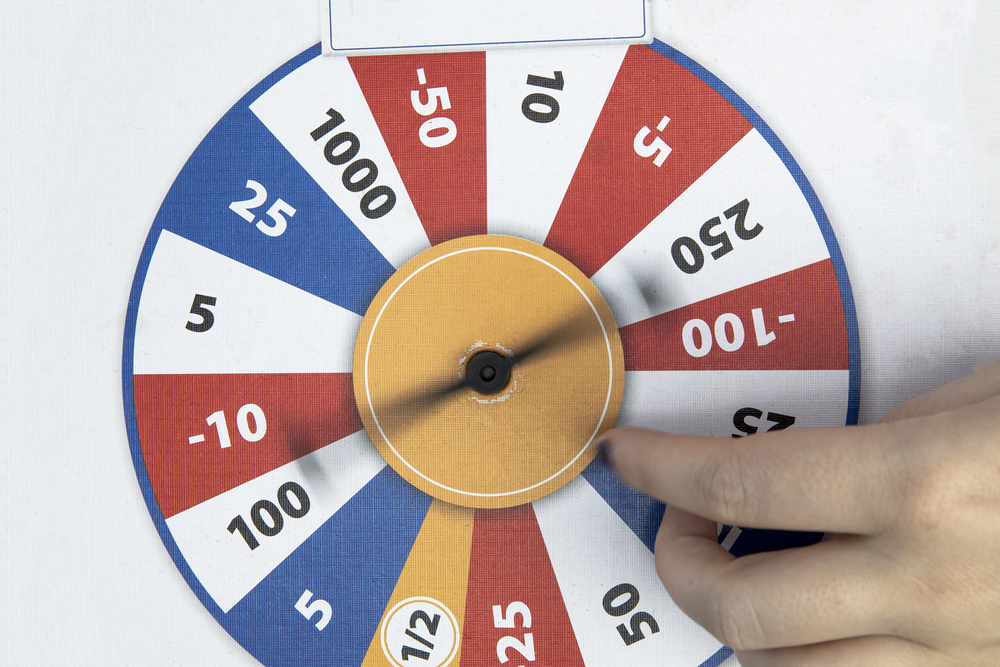
Games can pull traffic to your booth fast when they fit your brand and audience. A timed challenge, prize wheel, trivia contest, or leaderboard can turn a quick stop into a memorable interaction.
The best booth games also support your message and connect to what you actually sell. For example, a cybersecurity booth might invite attendees to spot digital threats before time runs out. A logistics brand could turn route planning into a timed competition. A packaging company might challenge visitors to make smart product design choices under pressure.
Immersive Booth Environments
Some brands turn their booth into a small branded world, such as a mock retail setup, a mini living space, a themed lounge, or a walk-through environment that shows how the product fits into real life.
This approach helps attendees imagine your brand in context instead of seeing a product on a shelf. You don’t need a giant budget to create an immersive booth. A thoughtful design, well-placed LED elements, and a strong theme can go a long way. In many cases, this kind of experiential marketing leaves a stronger impression than traditional display-only booths.
AR and VR Experiences

Augmented reality and virtual reality can add a high-impact digital layer to your trade show booth. AR can let attendees scan a package, product, or sign to unlock extra content. VR can place them inside a process, destination, or simulated environment tied to your brand.
These tools work best when they solve a real communication problem. For example, VR can give booth visitors a realistic view of a facility design or other hard-to-show environment. AR can add an interactive layer that helps people picture a product or process more clearly. A mobile filter can turn a simple object into a branded moment that invites participation and social sharing.
Personalized Stations
People pay attention when an experience feels tailored to them. A personalized station can make your booth feel more relevant and more useful.
For example, you might offer:
- A product match quiz
- A custom sample kit
- A printed takeaway based on attendee answers
- A short consultation tied to a role or industry
- A build-your-own bundle or recommendation station
This type of experiential trade show marketing strategy helps attendees feel seen. That feeling can strengthen trust and improve conversion after the show.
Social-Friendly Photo and Video Moments
A well-designed photo or video moment can keep your booth working after the trade show ends. Examples include:
- A branded backdrop
- An LED video wall
- A short video booth
- A motion-based screen effect
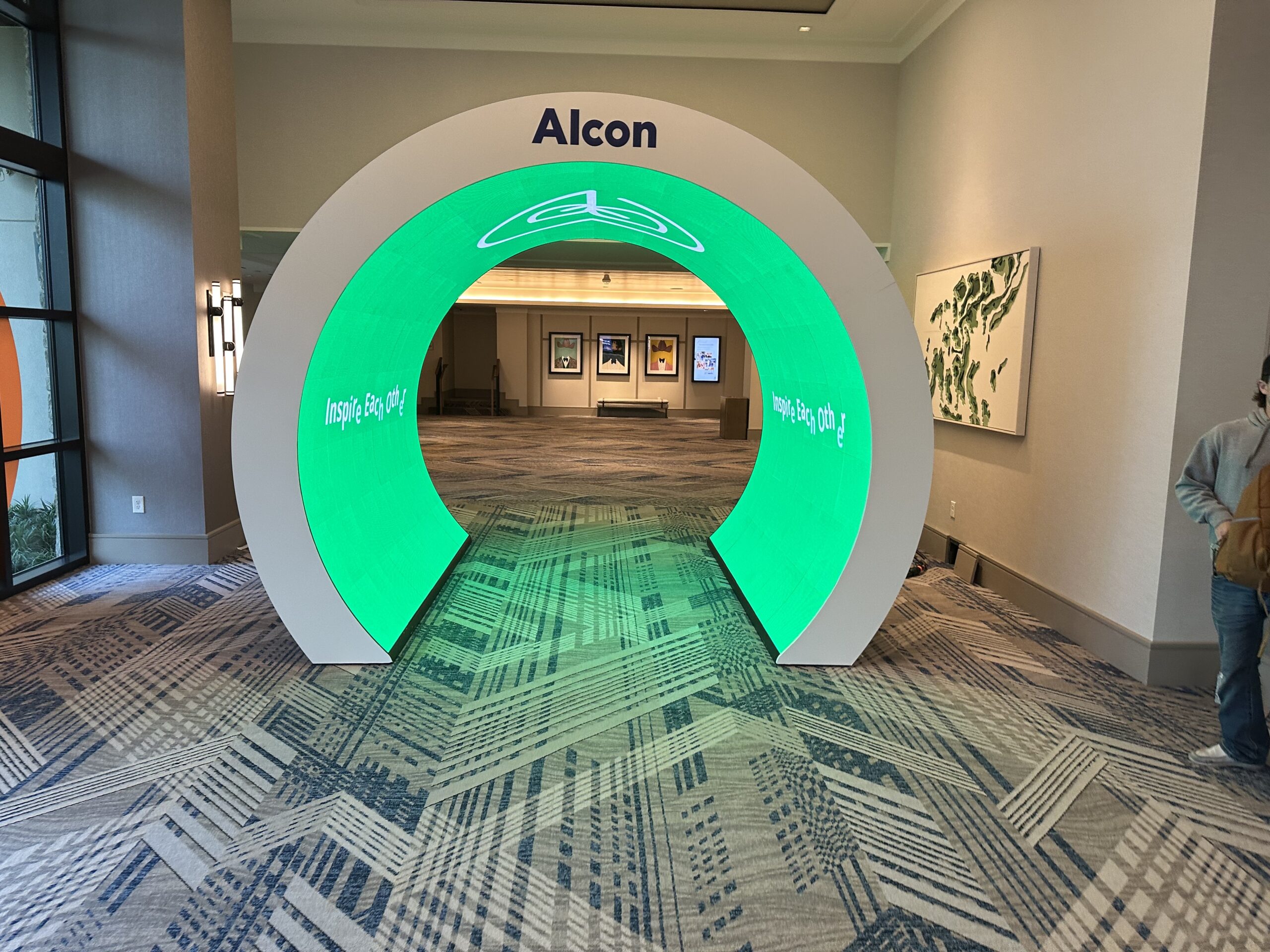
- An LED light tunnel
- A clever installation that makes people want to post
When attendees share those photos or videos on social media, your brand can reach people who never visited your booth in person. Those posts can also remind attendees of your company after the event, which helps support follow-up conversations and brand recall.
How Do You Create Your Own Experiential Marketing Campaign?
The following steps will help you build a strong experiential marketing campaign that draws in the right crowd.
Start With One Clear Goal
A lot of trade show ideas sound exciting but fail because they chase too many goals at once. Start by deciding what success looks like to you.
You might want to:
- Bring more people to your booth
- Build stronger brand awareness
- Get more attendees to sign up for demos
- Increase social shares and online buzz
- Support a product launch with more impact
- Start more meaningful sales conversations
Having a clear goal gives your campaign direction. That goal will shape the type of experience you choose and the way you measure results.
Know Who You Want To Attract
Not every trade show attendee is your ideal customer. Your experience should speak to the right people, not just the biggest crowd.
Think about who you want at your booth. Are you trying to reach buyers, engineers, store owners, distributors, hospital admins, or marketing teams? What problems do they care about? What would make them stop and engage?
Use those answers to shape your booth experience, and your experiential trade show marketing efforts are more likely to connect with the people you actually want to reach.
Build Around One Simple Idea

The best experiential marketing campaigns usually have one easy-to-grasp concept. People should understand the idea in a few seconds.
That concept might show how:
- Your product saves time
- Your solution fixes a common problem
- Your brand fits into daily life
- Your product is different from what your competitors offer
If your message is too broad or too complicated, people may stop by without understanding what your company actually offers or why they should care. That can make it harder to leave a strong impression or move visitors through the sales funnel.
Give Attendees a Clear Next Step
After the interaction, what do you want the attendee to do next? Your booth experience should lead people to:
- Book a meeting
- Scan a QR code
- Sign up for a demo
- Enter a giveaway
- Visit a landing page
- Claim a sample
- Join your email list
Without a next step, the interaction usually ends at the booth. Someone may enjoy the activity, say your booth was interesting, and then move on to the next exhibitor. By building a reason to stay connected into the experience, your team has a practical way to follow up after the show instead of hoping the attendee remembers your company later.
Measure What Happened and Learn From the Experience
Once the event ends, look at the data and the feedback. Look for:
- How many people joined the activity?
- How many qualified leads did you capture?
- Which moments sparked the best conversations?
- What did attendees say about the experience?
- What content was shared the most online?
Use the answers to those questions to figure out what actually worked at the show. You may find that one part of the booth started strong conversations, while another got little attention.
You may also see which activities attracted the right visitors instead of just a large crowd. That kind of feedback can help you make better choices for your next event based on real results and improve your next experiential marketing campaign.
Bring Experiential Marketing to Life With a Custom Trade Show Booth
LV Exhibit Rentals is a specialist in experiential trade show marketing. For more than 20 years, we’ve helped brands turn their booths into eye-catching exhibits with interactive elements that draw people in and keep them engaged.
Our team can support you with pre-designed exhibit rentals or fully custom booth builds shaped around your goals. We also handle installation and dismantling on-site, so you don’t have to manage separate labor teams or juggle multiple vendors.
Our technicians stay available for setup, equipment checks, and fast support if anything needs attention before or during show hours. Get a quote for a custom booth design from LV Exhibit Rentals to make a stronger impact at your next event.