A strong trade show booth combines a clear goal with smart use of space, flexible structures, LED technology and experiences that give attendees a reason to stop.
Key Takeaways
- Trade show booth design should start with a clear business goal, such as generating leads, booking meetings or demonstrating a product.
- LED displays work best when the screen size, content and pixel pitch fit where attendees will view them.
- Experiential elements can turn a booth into a place where visitors test products, interact with the brand and start useful conversations.
- Modular structures, double-deck layouts and vertical design elements can help exhibitors get more from their booth space without filling every square foot.
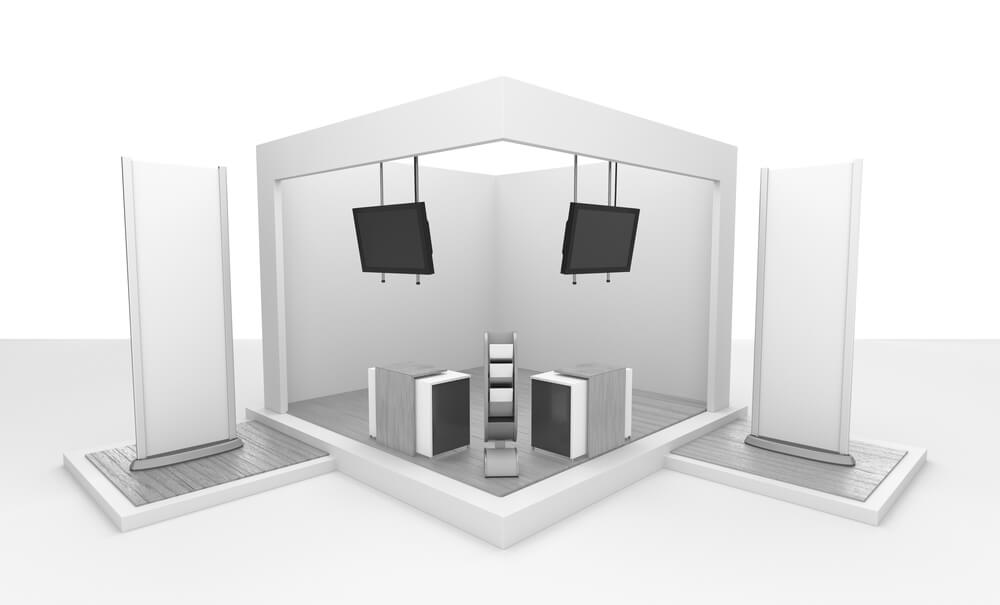
Trade show booth design best practices in 2026 go beyond choosing graphics and furniture. You may need to decide whether a 20×20 booth needs an LED wall, how much space to leave for meetings or whether a double-deck exhibit makes better use of your footprint.
The best design also depends on what you want attendees to do once they arrive. Should they watch a demo, try a product, meet with your sales team or experience the brand firsthand? Your design choices should help you build a custom booth around that goal.
9 Trade Show Booth Design Best Practices for Exhibitors
The strongest expo booth design best practices connect each design choice to something you want visitors to see, do or remember. The following strategies can help you plan an exhibit that uses your space with a purpose.
1. Design the Trade Show Booth Around a Clear Business Goal
Design your booth around one clear business goal so the layout and features support what you want attendees to do. A booth built to book sales meetings needs a different layout from one designed for product demos or a product launch.
If lead generation is the goal, keep the entrance open and give your team places to greet and qualify visitors. If you plan demonstrations, make the demo area easy to see without letting a crowd block the booth. For scheduled meetings, reserve quiet space for people to sit and talk.
Having a clear goal also helps you decide where to spend your budget. Put more money into the elements that support that goal instead of adding features simply because they look impressive.
2. Use LED Trade Show Elements to Command Attention
Use LED elements as focal points that help attendees notice your booth and understand where to look. Well-placed LED displays can add movement, scale and changing content without turning every surface into a screen.
You also don’t have to limit LED technology to a flat video wall. Curved screens, suspended displays, illuminated counters and LED-lined architectural elements can make digital content part of the exhibit itself.
For a more immersive design, LED tiles can form glowing archways, walk-through displays, geometric structures or sculptural elements that attendees can see from several angles. Smaller details can guide attention instead. For example, LED edge lighting can outline counters, walls or structural features without competing with your main graphics.
Just make sure to avoid adding motion everywhere simply because you can. A few well-placed LED features usually create a clearer visual hierarchy than several screens competing for attention.
3. Create an Immersive Experiential Brand Activation
Give attendees something to do with your brand. An experiential activity can keep people engaged longer and give your team a more natural way to start a conversation.
Experiential elements can include a hands-on demo, product challenge, interactive screen or branded photo moment. A strong experiential trade show booth connects the activity to what your business actually does.
For example, if you sell software, let visitors solve a real problem with it. If you sell a physical product, let them test it out. If you sell a service, build an activity around the problem that service solves.
4. Choose Modular Trade Show Booth Systems for Flexibility and Reuse
One of the most practical trade show booth design best practices is to use modular booth components when you need one exhibit system to work across different shows, booth sizes or campaigns. Instead of building every exhibit from scratch, you can rearrange modular pieces to fit the space and update them as your needs change.
For example, a back wall used in a 10×20 exhibit may become part of a larger island booth when combined with panels, counters or LED elements. You can also replace graphics or rearrange sections when you launch a new product or change campaigns.
5. Maximize Booth Space With a Double-Deck Trade Show Exhibit
Use a double-deck exhibit when you need more usable space without giving up room for displays, demos or attendee traffic on the main floor. Exhibitors using larger standard booth sizes, such as a 20×20 island booth, may have enough room to build upward.
The upper level can hold private meetings or a lounge while the lower level stays open for product displays, demos and visitors. If your team spends much of the show in scheduled buyer meetings, moving those conversations upstairs can free more space below for booth activity.
A second level should solve a real space problem rather than simply make the booth taller or more impressive. Check the exhibitor manual before planning a double-deck booth because these structures require show approval and must meet event and venue rules for height, access and construction.
6. Combine Custom Booth Design With Reusable Rental Components
Use custom elements where they will have the most visual impact, then rely on reusable rental components for the rest of the exhibit. This approach can give the booth a brand-specific look without requiring every counter, wall and structural piece to be custom built.
A branded entrance, architectural feature or large graphic can set the tone while standard counters, shelving and structural components handle the practical work. Custom graphics, lighting and finishes can also help reusable pieces fit the look of your brand.
A rental-based booth design gives you more flexibility later because you can update graphics, rearrange the layout or add technology without replacing the entire exhibit.
7. Balance High-Energy LED Areas With Private Meeting Spaces
A useful best practice for trade show booth design is to separate high-energy display areas from quieter conversation spaces so different booth activities can happen at the same time. LED walls and interactive displays may pull people in, but visitors discussing pricing, contracts or a complex product may need a calmer place to talk.
Place high-energy elements where they can attract people from the aisle. Move seating and meeting areas farther into the booth, behind a partial wall or onto an upper level when space allows.
Furniture and partitions can also help separate the two areas. The goal is to let a product demo draw a crowd without making a nearby sales meeting difficult to hear.
8. Use Hanging Signs and Vertical Elements to Improve Booth Visibility
Use vertical design elements to help attendees spot your booth from farther away without taking up more floor space. Hanging signs, towers and tall branded structures can make your company easier to find before visitors reach your aisle.
Keep overhead branding simple enough to read from a distance. Your company name, logo or a short message usually works better than a paragraph of copy.
Building upward can also leave more floor space for demonstrations, seating and attendee traffic. Check the show’s height and rigging rules before adding hanging or overhead elements because each event can set its own limits.
9. Match LED Content and Pixel Pitch to the Viewing Distance
Match your LED setup to how far attendees will stand from the screen so the content stays clear at the distance where people will actually see it. Pixel pitch measures the space between LED pixels. A smaller pixel pitch places the pixels closer together and can create a sharper image up close.
A screen behind a counter may need a different setup from an overhead display designed to catch attention across the hall.
Match the content to that viewing distance, too. Close-up screens can show product details, interfaces and demonstrations. Screens aimed at people farther away need larger visuals, shorter headlines and less detail.
Decide where attendees will view the screen and what you want them to see, then choose the LED setup that supports that use.
Bring These Trade Show Booth Design Best Practices to Life With LV Exhibit Rentals
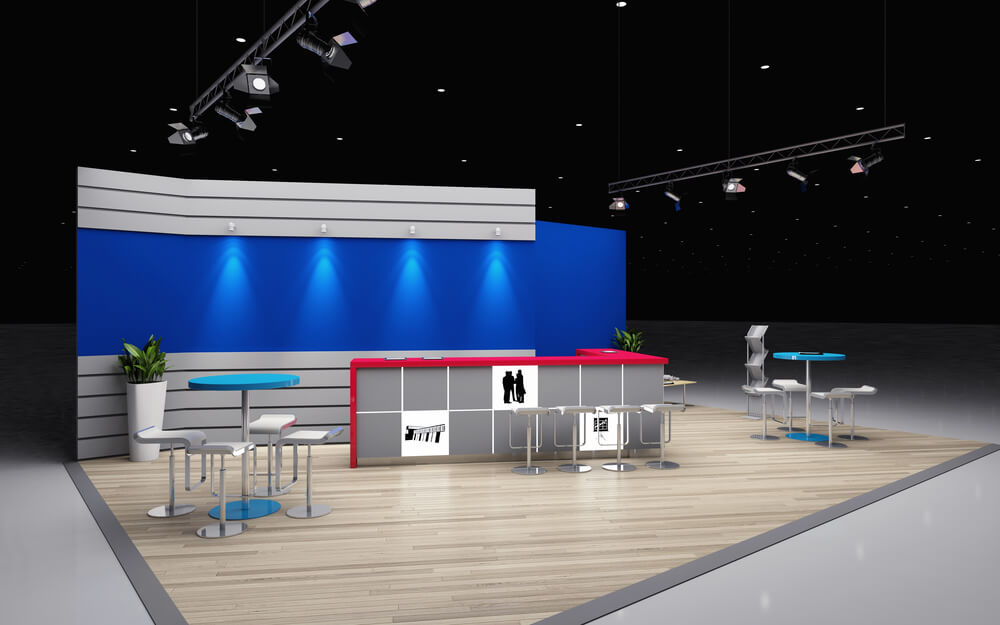
A great exhibit booth works best when every part of your display supports the same goal. Putting trade show booth design best practices to work means matching your physical space, visuals, and technology so visitors know exactly who you are and what you offer. Instead of coordinating with multiple vendors for different items, LV Exhibit Rentals brings everything together under one roof. We supply modular structures, custom graphics, signs, counters, furniture, strategic lighting, and LED elements for exhibitors in Las Vegas and at events nationwide.
We can help you adapt these ideas to fit your specific footprint, target audience, and event goals. Work with LV Exhibit Rentals if you want expert trade show booth design and start planning a space built to get results at your next show.