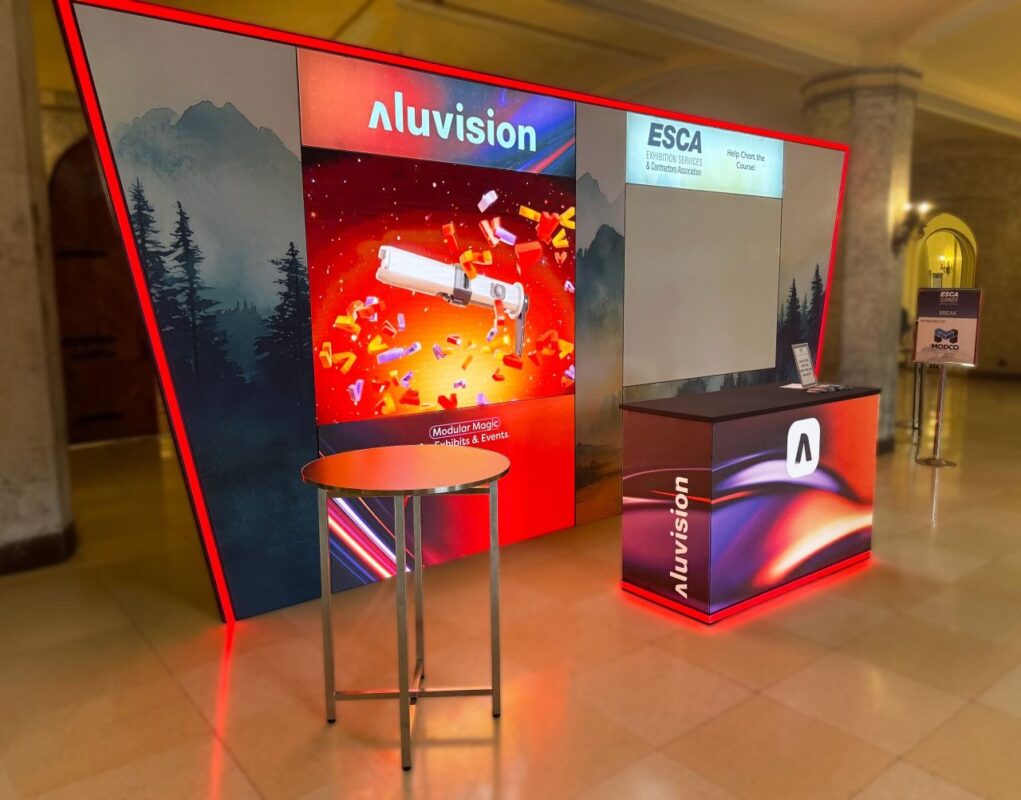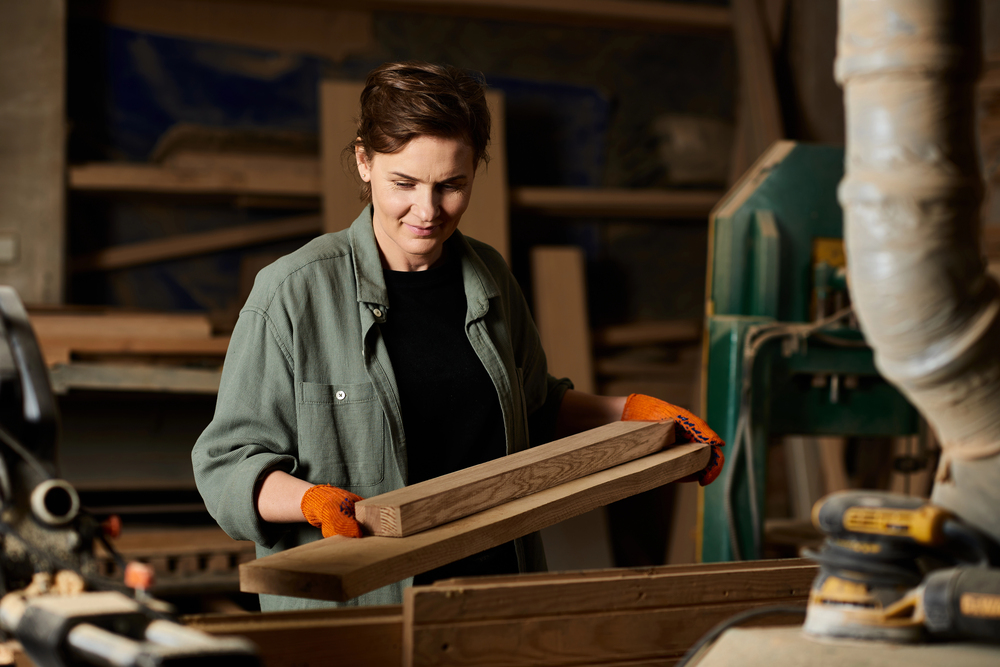
Your booth has about three seconds to grab someone’s attention before they walk right past it. A clear, eye-catching product display gives them a reason to stop.
Key Takeaways
- The way you display your products—using height, grouping, and strategic eye-level placement—influences how visitors interact with your trade show booth.
- Product display choices like targeted lighting, clean layouts, and benefit-focused signage direct attention to your most important products.
- Interactive trade show displays and live demos invite engagement, giving attendees a reason to stay longer and connect with your brand.
Picture 500 booths lined up on a convention floor. Every exhibitor wants the same thing you do: foot traffic, real conversations, and qualified leads. So what separates the booths that draw a crowd from the ones people walk right past? A big part of it comes down to knowing how to display products at a trade show.
Smart product displays pull people in, tell a story, and make it easy for attendees to see why your product is relevant to them. Whether you’re exhibiting for the first time or you have been doing this for years, these practical tips will help you set up a booth that supports stronger lead generation.
The 10 Best Ways To Display Products at a Trade Show
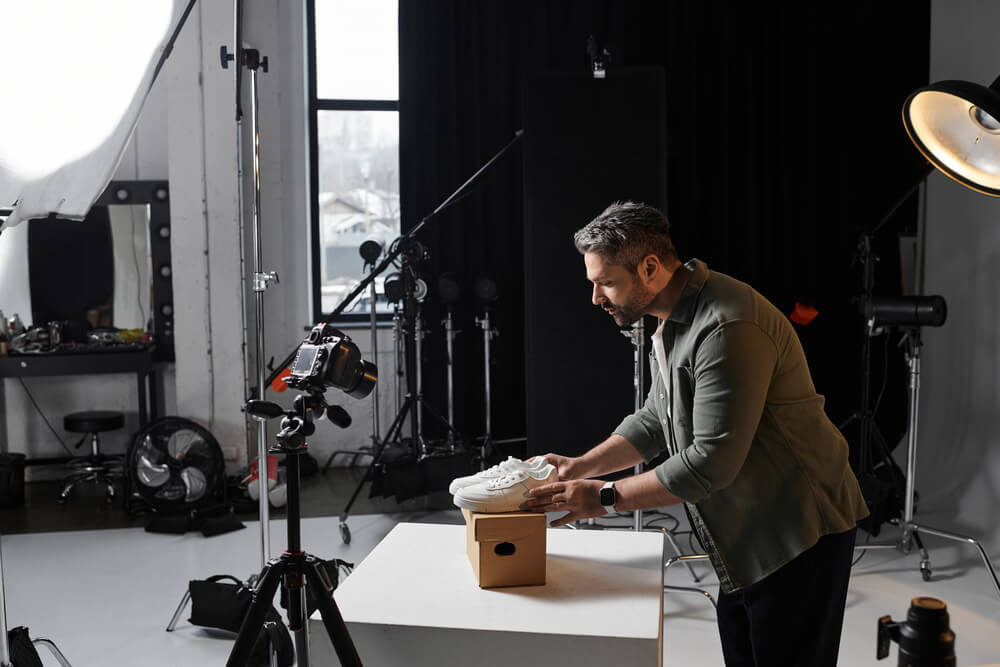
Great trade show display ideas don’t happen by accident. They come from thinking strategically about your audience, your products, and how people naturally move through a space. Before your next event, pair these tactics with proven trade show marketing strategies to get more value from your booth space.
1. Use Tiered Shelving To Add Height and Visibility
When everything sits flat on a table, your display blends into the background. Tiered shelving fixes this by stacking products at different heights, which draws the eye upward and makes your booth feel more dynamic and intentional. Taller displays are also visible from farther away, helping you pull in foot traffic before an attendee is even close enough to read your signage.
Your vertical options depend on your booth configuration. Standard trade show booth sizes come with specific height limits for walls, shelving, and hanging elements, so understanding your booth’s limitations before you plan your layout saves you headaches on show day.
2. Place Best-Selling Products at Eye Level
Place your most important products at eye level whenever possible. This strategy comes from retail display research and translates well to the trade show floor. Eye level for most adults falls between roughly 4.5 and 5.5 feet from the ground. Products placed in that zone get noticed faster and feel more accessible than those placed too high or too low.
Put your flagship or best-selling items right in that sweet spot. Here’s a simple way to think about it:
- Eye Level: Flagship products, newest launches, and highest-margin items
- Slightly Below Eye Level: Complementary products or mid-range options
- Lower Shelves: Accessories, supporting materials, or take-home literature
Reserve the lowest surfaces for items that don’t need to compete for attention on their own.
3. Use Clear Display Cases for High-Value Items
If you’re showing off something expensive, delicate, or one of a kind, a clear display case does double duty. It protects the item while letting attendees examine it from every angle.
Acrylic or glass cases also signal that what’s inside is worth protecting, which naturally raises the item’s perceived value in the visitor’s mind. Pair the case with a small card or sign that quickly explains what makes the product worth noticing.
4. Group Products by Use Case or Category
Attendees should never have to work to understand your product lineup. When you group items by how they’re used or what problem they solve, your display becomes easier to follow.
Create distinct zones within your booth, such as a space for your entry-level line, one for premium products, and a section for accessories or add-ons. This makes it easy for visitors to browse and quickly land on what’s most relevant to them.
5. Show Products in Action With Live Demos

Nothing sells a product faster than watching it work. Live demonstrations turn your booth from a static trade show display into an active experience. Keep each demo short, ideally three to five minutes, so attendees stay engaged. Make sure there’s room for questions afterward.
Scheduling demos at regular intervals lets you build an audience and gives attendees a reason to come back if they catch your booth between sessions.
6. Use Lighting To Highlight Key Products
Lighting is one of the most underused tools in trade show product display strategy. A well-placed spotlight pulls the eye directly to the product you most want people to notice.
Warm tones can make items feel premium and approachable, while cooler lighting works well for tech-forward brands. For a more dramatic effect, LED display elements like The Orb add striking ambient light that functions as both a visual anchor and a focal point for your booth.
7. Add Signage That Explains Benefits Quickly
Most trade show attendees won’t stop to read a paragraph, so your signage needs to communicate fast. Focus on benefits over features. Instead of “10,000 mAh battery,” try “Keeps your devices running for three full days.”
Use large fonts and minimal text. Also, position signs at or just above eye level near the products they describe. Digital signage also gives you the flexibility to rotate messaging throughout the day without swapping any materials.
8. Keep the Display Clean and Uncluttered
A crowded trade show display overwhelms visitors. When people cannot quickly tell what you’re selling or where to look, they move on. Show your strongest products rather than every product you carry.
Use the space around your product displays intentionally. In the design world, that breathing room is called negative space, and that space makes each featured item stand out. A well-edited booth also reads as more professional, which builds immediate trust with visitors.
9. Use Interactive Product Displays
Giving attendees something to do with your product is one of the most effective ways to drive engagement. Whether that means letting someone try out a piece of equipment or explore features through a digital demo station, this kind of experiential marketing creates a more memorable visit.
If you don’t know where to start, think about ways you can design your booth so visitors actively participate rather than passively observe. Hands-on moments give attendees a reason to spend more time at your booth, which can lead to more conversations with qualified leads.
10. Offer Samples Attendees Can Take With Them

If your product is something people can taste, use later, or take home in a small sample size, make that part of your trade show display. Samples give attendees a physical reminder of your brand after they leave the booth, which helps your product stay top of mind once the event is over.
For the food, beauty, and wellness industries, a sample can also help visitors judge quality for themselves instead of relying only on a sales pitch. Package samples clearly with your logo, product name, and contact information so attendees know exactly where to go when they’re ready to learn more.
Turn Your Trade Show Display Into a Product Showcase
If you want to know how to display products at a trade show in a way that actually drives results, it starts with setting the right foundation. LV Exhibit Rentals has spent over 30 years helping exhibitors design turnkey rental packages that include signage, counters, furniture, and signature LED elements designed to capture attention across a packed convention floor.
From compact 10×10 setups to expansive custom configurations, every option we offer is built around helping you look polished and ready to connect. Explore trade show exhibit rentals from LV Exhibit Rentals and give your products a display that helps them stand out.