When you’re showcasing products, hosting demos, or building a branded environment, the custom event structure you use can completely change how attendees experience your brand. From lightweight modular frames to fully custom builds, today’s options give you flexibility, visual impact, and room to scale your presence across different events.
What Are the Most Popular Custom Event Structures?

Whether you’re designing for a conference, expo, or festival, the best event structure depends on what you’re trying to accomplish, from driving foot traffic to creating a polished environment for deeper conversations.
1. Modular Aluminum Exhibit Booths
Modular aluminum trade show booths use lightweight metal frames with fabric or rigid panels that lock together. You can rearrange the parts to fit different booth sizes, especially common 10×10 and 10×20 inline booths at industry expos, business conferences, or regional trade fairs.
This design gives you a clean, modern look without the expense of a custom build. You can attach shelves, monitors, and lighting rails directly to the frame, which helps if you’re showcasing products or digital demos. These booths also break down into compact shipping cases, making them easy to move from one event to another.
2. Custom-Built Fabrication
Custom-built trade show booths typically use wood, metal, and acrylic to create a one-of-a-kind layout. You control every detail, from the shapes and finishes to the way visitors move through the space. This style helps when you want your booth at a national expo, tech show, or large festival to feel like a branded environment rather than a simple display. These builds take more time and money, but they can include features like:
- Product showcases tailored to your lineup
- Private meeting rooms
- Custom counters or demo stations
A custom booth works best when you want a strong visual impact and plan to reuse the structure over multiple high-value events.
3. Tension Fabric Structures
Tension fabric trade show structures use aluminum frames covered with stretch fabric graphics. The material pulls tight to create smooth walls, arches, and oversized signs that help your display stand out on a crowded expo floor.
These event structures stay lightweight, which makes them easy to move between events or ship to national conventions. The fabric’s ability to curve and wrap around different shapes gives you more freedom than rigid panels. This style fits brands that rely on large visuals, flowing designs, or soft lighting. When your messaging changes, you can swap out the fabric prints without replacing the frame.
4. Shipping Container Booths
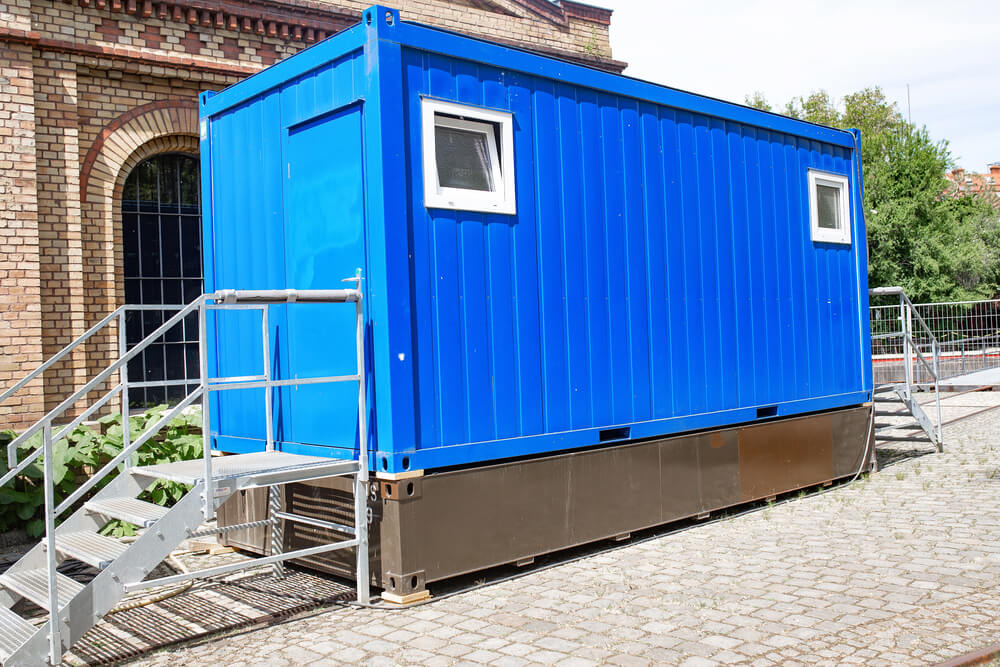
Shipping container booths start with a real steel container that builders modify with doors, windows, counters, and interior finishes. Their strength makes them great for outdoor festivals, product launches, or large trade shows where you want something sturdy and memorable.
Inside the container, you can add shelving, LED video walls, or a lounge-style setup. These booths often draw attention because they look different from typical expo displays. They work well for lifestyle brands, automotive companies, and tech demos that benefit from an industrial or rugged look. The container also keeps equipment secure during multi-day events.
5. Pop-Up or Portable Event Structures
Pop-up or portable trade show booths use folding frames, magnetic panels, and roll-up graphics to create one of the simplest types of temporary event structures. They set up fast without tools, which helps when you’re exhibiting at smaller expos, job fairs, or community festivals and need to work with limited staff.
Portable displays pack into lightweight cases, so shipping stays affordable. You can add simple accessories like lights or tablet stands, but the main appeal of these structures is their convenience. They’re a practical fit for teams that travel often or want a clean, branded backdrop without heavy hardware.
6. Double-Decker Booths
Double-decker event structures use engineered steel or aluminum supports to create a two-story booth. The upper deck usually serves as a meeting room or quiet space for longer conversations during busy expos.
The ground level holds product demos, reception counters, or multimedia displays. A double-decker trade show booth stands out because very few exhibitors use multi-story layouts, especially at industry shows where floor space is tight. They require planning and safety checks, but they give you more room to host visitors without expanding your footprint.
7. Truss-Based Structures
Truss-based event structures use steel or aluminum truss sections that lock together to form a strong framework. The open, industrial look fits well at tech expos, gaming events, automotive shows, and sports festivals. These structures work especially well in island booths, where you have room to build towers, overhead arches, and multi-sided displays.
Many exhibitors choose truss when they need to hang heavy lighting, speakers, or large LED screens because the structure handles more weight than standard frames. Graphics attach to the sides or stretch across the frame, and you can reconfigure the layout with different truss lengths.
8. Hybrid Exhibits

Hybrid trade show exhibits combine modular frames with custom-built features. You might use aluminum walls for the main structure, then add wood accents, product displays, or branded archways. This mix helps you achieve a polished look without paying for a fully custom build.
Hybrid booths work well for companies that attend a mix of regional trade shows and larger conventions because the core structure is reusable, while the custom pieces give your booth personality. This approach is helpful when you want strong branding and the ability to adjust your layout from one event to the next.
A Flexible Custom Event Structure Built for Any Environment
When you’re choosing between different custom event structures, the Flexbox from LV Exhibit Rentals stands out for its versatility and strength. Each unit is built with weather-resistant materials and sealed joints, making it fully waterproof and reliable for both indoor and outdoor events.
Because it’s much lighter than a traditional container booth, you can reduce shipping and handling costs while still getting a premium, modular space you can reconfigure, expand, or stack. If you want the rugged feel of a container without the weight, limits, or setup challenges, Flexbox delivers.
If you’re looking for a trade show shipping container alternative that’s modern, flexible, and easy to brand, get a quote from LV Exhibit Rentals today.